




What's Happening?
The United States is expected to issue a permit for deep-sea mineral extraction, potentially as early as the first quarter of 2027. This move could pressure the International Seabed Authority (ISA) to finalize its Seabed Mining Code, which has been in development
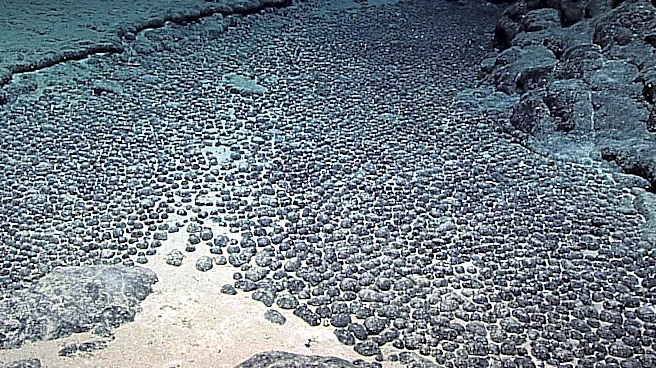
since 2014. The U.S. permit may encourage member states to avoid alternative routes through the U.S. and adhere to the ISA's regulations. The focus on seabed resources is driven by declining copper grades and the geographic concentration of cobalt, prompting a closer examination of seabed resources. The Clarion-Clipperton Zone in the North Pacific Ocean, rich in polymetallic nodules, is a key area of interest. These nodules contain significant amounts of manganese, copper, nickel, and cobalt, and are located at depths of 4,000 to 6,000 meters. The U.S. is not an ISA member, but its Deep Seabed Hard Mineral Resources Act allows it to authorize seabed mineral extraction, including in international waters.
Why It's Important?
The U.S. decision to issue a deep-sea mining permit could significantly impact global seabed mining regulations and practices. If the U.S. proceeds unilaterally, it may create a conflict with the ISA, potentially leading to a faster completion of the Mining Code. This development is crucial as it addresses the anticipated copper supply shortage by 2035. The automation of nodule collection could provide a low carbon dioxide footprint alternative to traditional mining, although environmental concerns remain. The move could also influence global markets and the strategies of companies involved in seabed mining, as well as environmental policies related to oceanic ecosystems.
What's Next?
If the U.S. issues the permit, it may accelerate the adoption of the ISA Mining Code, as member states might prefer a unified regulatory framework. The U.S. decision could also prompt other countries to expedite their seabed mining plans. Companies like TMC, which have already filed applications with the U.S. National Oceanic and Atmospheric Administration, may begin operations, potentially leading to industrial-scale seabed mining. The environmental impact of such activities will likely be a topic of ongoing debate and research, influencing future regulatory and corporate strategies.
Beyond the Headlines
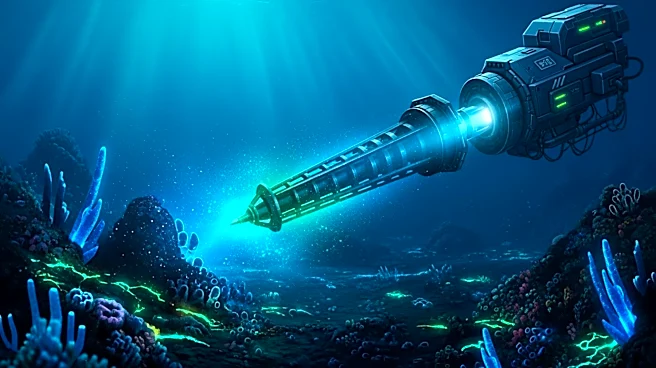
The potential for deep-sea mining raises ethical and environmental concerns, particularly regarding the impact on marine ecosystems. The method of nodule collection, which involves vacuuming nodules along with sediment, could disrupt habitats. The use of robots to selectively gather nodules presents a less invasive but more costly alternative. The debate over the environmental risks versus the economic benefits of seabed mining is likely to continue, influencing public perception and policy decisions.