





What's Happening?
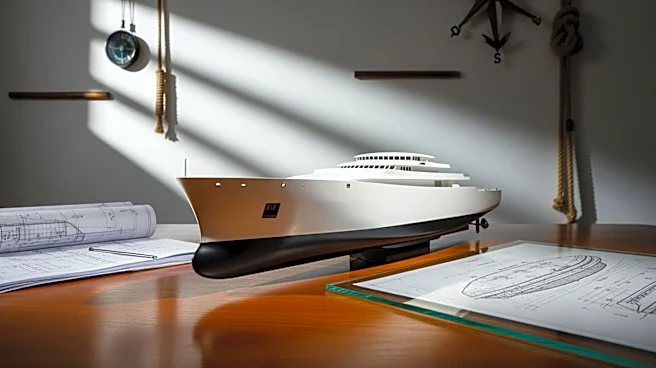
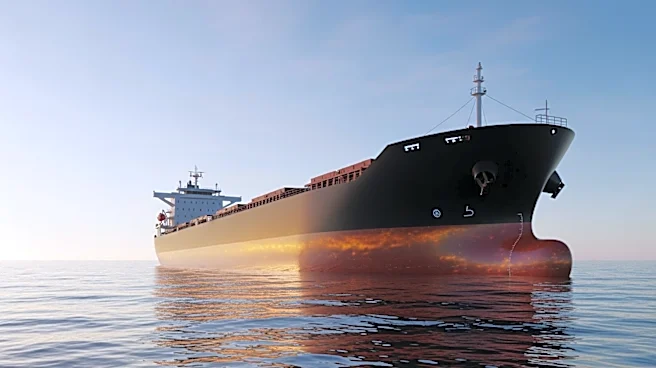
Alternative Marine Technologies (Amtech) has issued a Request for Proposal (RFP) to three major U.S. shipbuilding companies for the construction of a 2+2 series of 230 TEU Microcontainer Feeder vessels. These vessels are based on the Conoship CIP230TEU
design, which is already operational in Europe. The design includes production drawings and 3D models, with a virtual walkthrough available. The vessels are designed for diesel-electric propulsion, meeting current EPA Tier IV and IMO Tier III emissions standards, and are capable of future environmental upgrades. The project has been in development for two years, with support from terminals and port authorities along the U.S. East Coast and the Great Lakes. There is significant interest in enhancing freight transport on water in regions such as Chicago, Indiana, and Detroit, with discussions also focusing on European movements into the Great Lakes via the St. Lawrence Seaway and Southern River routes.
Why It's Important?
The issuance of this RFP by Amtech represents a significant step in advancing environmentally friendly maritime transport in the U.S. The diesel-electric propulsion design of these vessels aligns with stringent environmental standards, potentially reducing the carbon footprint of maritime operations. This initiative could enhance the efficiency of freight transport in key U.S. regions, such as the Great Lakes and the East Coast, by leveraging water routes. The project also reflects a growing trend towards sustainable shipping solutions, which could influence future maritime policies and industry practices. The involvement of U.S. shipbuilders in this project may stimulate domestic shipbuilding activities, potentially creating jobs and fostering technological advancements in the sector.
What's Next?
The next steps involve the evaluation of proposals from the U.S. shipbuilders and the selection of a contractor to commence construction. As the project progresses, further collaboration with port authorities and terminals will be crucial to ensure the successful integration of these vessels into existing maritime infrastructure. Stakeholders will likely monitor the project's impact on regional freight transport efficiency and environmental performance. Additionally, the project's success could encourage further investments in similar sustainable maritime initiatives, potentially influencing broader industry trends towards greener shipping solutions.