
What's Happening?
Asian stock markets experienced significant gains, driven by a surge in technology shares, particularly in South Korea and Taiwan. The Kospi index in Seoul rose by nearly 5%, reaching an all-time high,
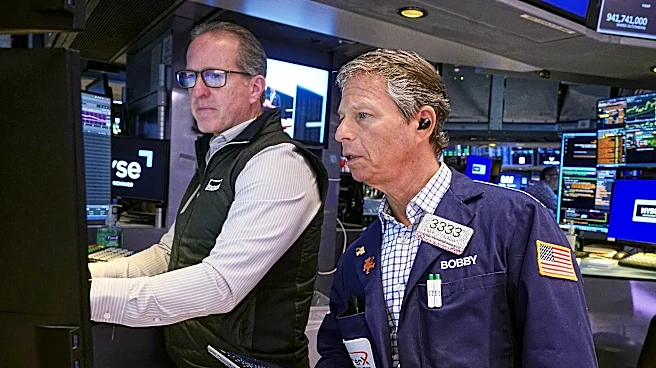
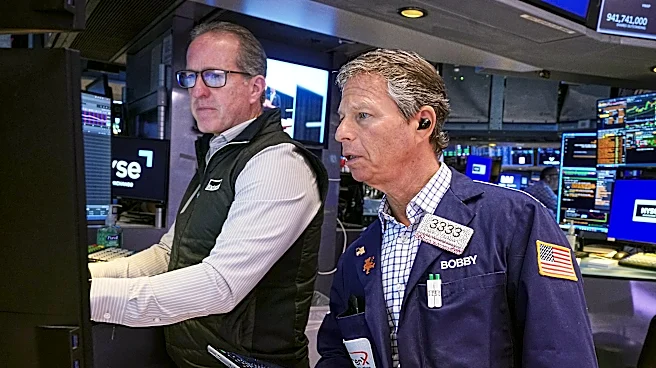
while Taiwan's benchmark also saw substantial increases. This growth is attributed to the booming demand for artificial intelligence, which has led to heavy investments in computer chipmakers and technology companies. In Tokyo, the Nikkei 225 index climbed 1.3%, bolstered by tech-related shares. The rally in tech stocks followed a notable 19.3% increase in Micron Technology's stock, which has more than tripled this year, joining other major tech companies like Nvidia, Apple, and Microsoft in surpassing a $1 trillion market value. Meanwhile, oil prices fell as the U.S. stock market hit new records, with the S&P 500 and Nasdaq reaching all-time highs.
Why It's Important?
The surge in Asian markets highlights the significant impact of the artificial intelligence boom on global financial markets. The increased demand for technology and computer memory is driving substantial investments, leading to record highs in stock indices. This trend underscores the growing influence of AI on the economy, as companies and investors seek to capitalize on technological advancements. Additionally, the decline in oil prices, despite ongoing geopolitical tensions, suggests a potential easing of inflationary pressures, which could benefit industries with high fuel costs. However, consumer confidence in the U.S. remains low due to inflation concerns, indicating potential challenges for economic recovery.
What's Next?
The continued growth in AI-related investments is likely to sustain the upward momentum in technology stocks, potentially leading to further gains in global markets. However, geopolitical tensions, particularly involving Iran, could impact oil prices and market stability. Investors will be closely monitoring developments in U.S.-Iran negotiations, as any resolution could influence oil supply and prices. Additionally, the ongoing inflation concerns and consumer sentiment will be critical factors in shaping economic policies and market trends in the coming months.