





What's Happening?
SpaceX, through its new division SpaceXAI, is promoting the use of AI to simplify everyday tasks, such as creating shopping lists via the Gopuff app. This initiative is part of a broader trend where AI is increasingly integrated into daily life, raising
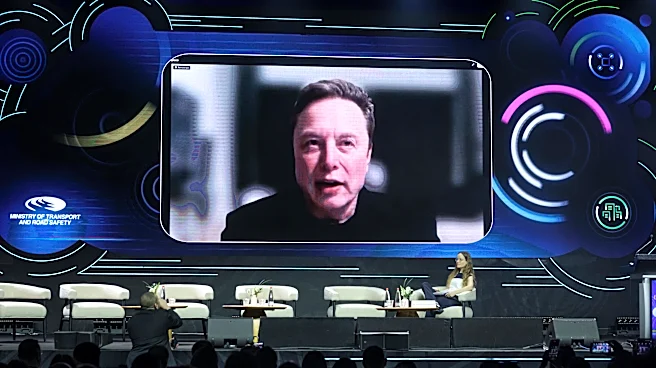
electricity demand due to the energy-intensive nature of data centers that support AI operations. The Gopuff app, powered by Elon Musk's AI assistant Grok, aims to predict consumer needs and automate shopping experiences. However, this convenience comes at a cost, as the growing reliance on AI contributes to higher electricity prices and increased environmental impact. The development reflects a larger industry trend where AI is used to enhance various sectors, but also highlights the potential downsides of over-reliance on technology.
Why It's Important?
The integration of AI into consumer applications like Gopuff represents a significant shift in how technology is used to influence daily life. While AI offers convenience and efficiency, it also poses challenges, such as increased energy consumption and environmental concerns. The rising electricity demand driven by AI data centers can lead to higher costs for consumers and strain on energy resources. This situation underscores the need for sustainable practices in the tech industry and raises questions about the long-term implications of AI dependency. As companies like SpaceX continue to push the boundaries of AI, balancing technological advancement with environmental responsibility becomes increasingly crucial.
Beyond the Headlines
The push for AI-driven convenience raises ethical and societal questions about the role of technology in human decision-making. As AI systems take on more tasks traditionally performed by humans, there is a risk of diminishing critical thinking and problem-solving skills. Additionally, the environmental impact of AI infrastructure necessitates a reevaluation of energy policies and the development of more sustainable technologies. The debate over AI's role in society is likely to intensify as its applications expand, prompting discussions about the balance between innovation and sustainability.