







What's Happening?
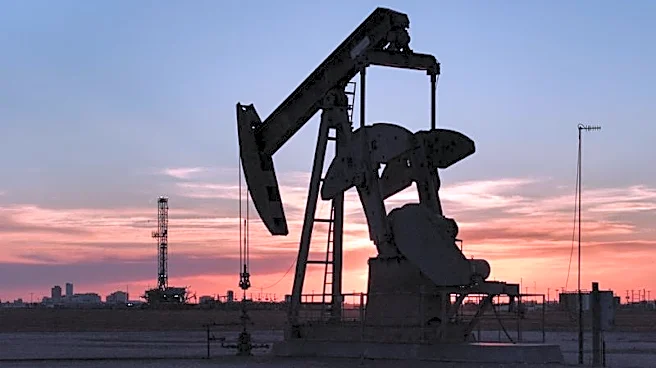
The U.S. Energy Information Administration (EIA) has reported ongoing disruptions in Middle Eastern oil flows, significantly affecting global energy markets. The EIA's May Short-Term Energy Outlook highlights that the closure of the Strait of Hormuz has led
to a substantial reduction in oil production from key Middle Eastern countries, including Iraq, Saudi Arabia, and the UAE. This disruption has caused crude oil prices to spike, with Brent crude reaching $138 per barrel in April. The EIA forecasts that oil prices will remain high, affecting fuel, propane, electricity, and natural gas markets, which are crucial for U.S. agricultural producers. The report also notes that the UAE's exit from OPEC marks a structural change in global oil supply tracking.
Why It's Important?
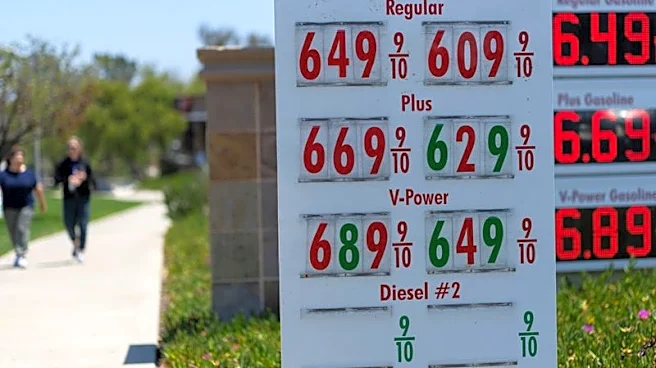
The elevated oil prices have significant implications for U.S. agriculture, as energy costs are a major input in farming operations. High fuel prices increase the cost of planting, harvesting, and transporting crops, potentially leading to higher food prices. The volatility in oil markets underscores the need for energy planning and cost management in agriculture. Additionally, while U.S. propane supplies remain strong, providing some relief, the overall energy market's sensitivity to geopolitical risks could pose challenges for farmers. The situation highlights the interconnectedness of global energy markets and their impact on domestic industries.
What's Next?
The EIA anticipates that oil shipments through the Strait of Hormuz will gradually resume, potentially stabilizing prices later in the year. However, the ongoing geopolitical tensions and the UAE's departure from OPEC could continue to influence market dynamics. U.S. agricultural producers will need to monitor energy costs closely and may need to adjust their operations to mitigate the impact of high fuel prices. The report suggests that while some moderation in fuel costs is expected, the market will remain sensitive to geopolitical developments.