


What's Happening?
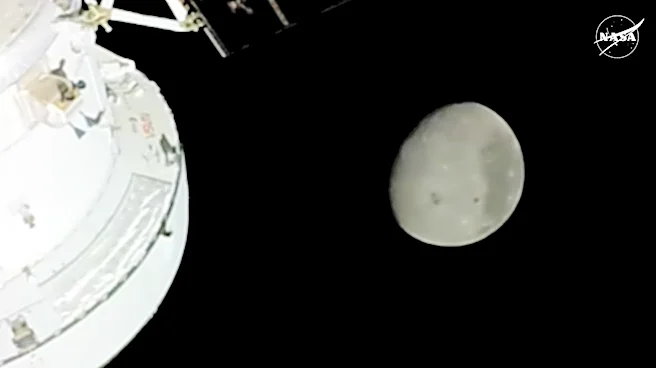
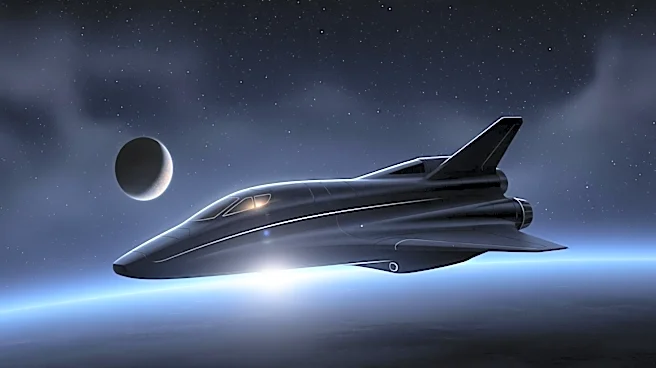
Video games have long sought to capture the awe and terror of cosmic isolation experienced during space exploration. The recent Artemis II mission, with its crew experiencing solitude as they drifted through space, mirrors themes explored in various video
games. Titles like No Man's Sky and Exo One simulate the feeling of facing the vastness of space, emphasizing solitude and vulnerability. These games focus on small crews in isolated environments, reflecting the real-life experiences of astronauts. The genre has evolved to include elements of beauty, loneliness, and mortal danger, offering players a taste of the existential challenges faced in space.
Why It's Important?
The exploration of cosmic isolation in video games provides a unique opportunity for players to engage with the emotional and psychological aspects of space travel. By simulating the solitude and vulnerability of astronauts, these games offer insights into the human condition and the challenges of space exploration. This genre not only entertains but also educates players about the realities of space missions, fostering a deeper appreciation for the complexities of human space travel. It highlights the intersection of technology and human experience, encouraging players to reflect on their own place in the universe.
Beyond the Headlines
The portrayal of cosmic isolation in video games raises questions about the psychological impact of space travel on astronauts. It explores themes of loneliness, fear, and the human need for connection, offering a platform for discussing mental health in extreme environments. These games also challenge players to consider the ethical implications of space exploration, such as the risks involved and the potential for human error. By simulating these experiences, video games contribute to a broader cultural understanding of space travel and its impact on human psychology.