




What's Happening?
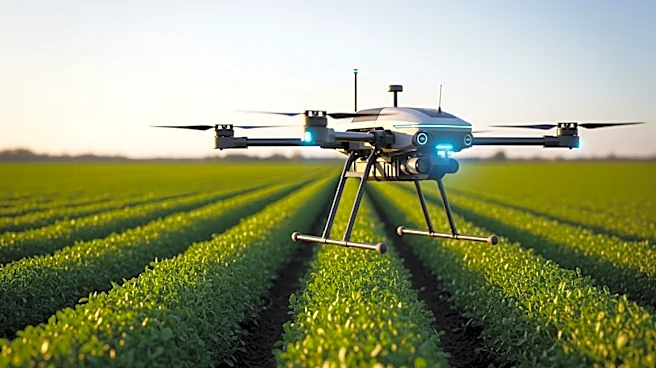
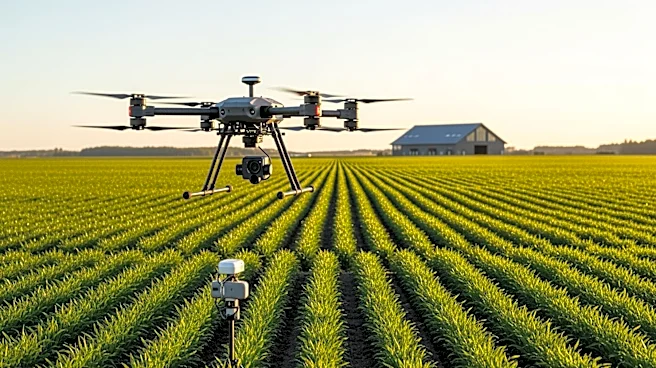
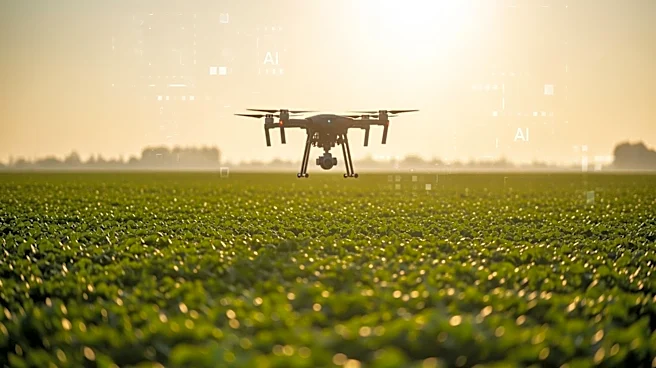
Artificial intelligence (AI) is playing a significant role in improving crop management, as demonstrated by Nipuna Chamara, an assistant professor at the University of Nebraska–Lincoln. Chamara used AI tools to win a category in the 2025 Testing Ag Performance
Solutions (TAPS) competition, which involves managing corn and soybean crops. The AI system provided real-time data insights, including market trends and weather updates, to guide decisions on irrigation, fertilization, and pest control. This approach led Chamara's team to secure first place in the highest corn yield category. The success of AI in this competition highlights its potential to enhance decision-making in agriculture, leading to increased yield and profitability.
Why It's Important?
The integration of AI in agriculture represents a significant advancement in farming practices, offering the potential to increase efficiency and sustainability. By providing real-time data and predictive insights, AI can help farmers make informed decisions, optimize resource use, and respond to market changes effectively. This technology could lead to higher crop yields and reduced environmental impact, addressing some of the challenges faced by the agricultural sector. As AI tools become more accessible, they could transform traditional farming methods and contribute to global food security.
What's Next?
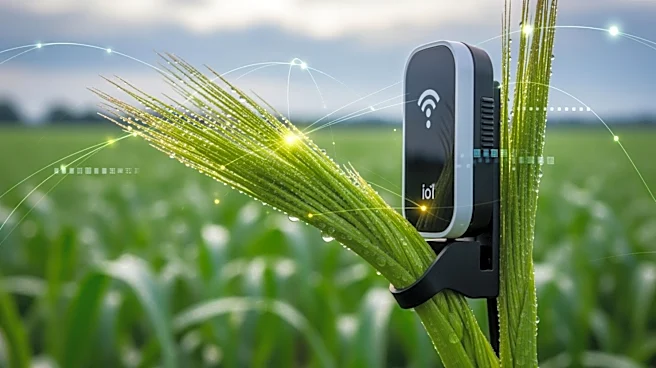
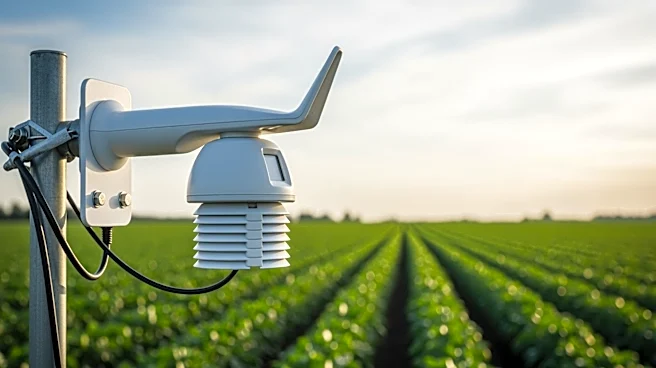
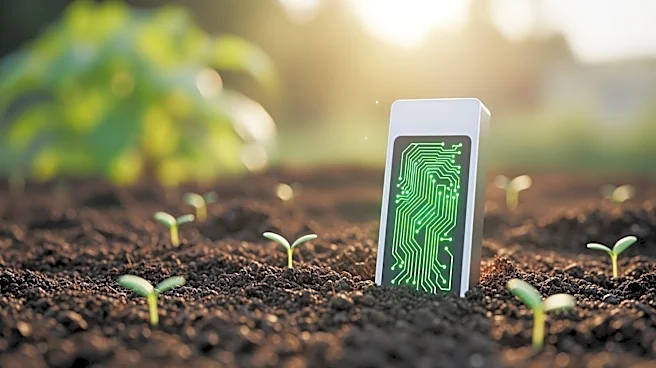
Future developments in AI technology could further enhance its application in agriculture. Chamara plans to develop tools that connect farm sensors directly to AI systems, enabling real-time updates and more precise decision-making. This could lead to even greater improvements in crop management and productivity. As AI continues to evolve, it is likely to become an integral part of modern agriculture, driving innovation and efficiency across the industry.