







What's Happening?
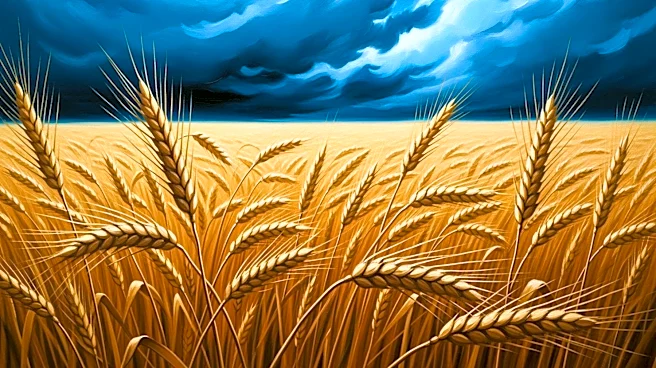
In June 1890, Vincent van Gogh began painting a series of wheatfield landscapes in Auvers-sur-Oise, France. These paintings, completed in mid-July, are among his most memorable works and were created just days before his suicide. Van Gogh described these
landscapes as 'immense stretches of wheatfields under turbulent skies,' expressing feelings of sadness and loneliness. Despite these emotions, he also conveyed a sense of health and fortification through nature. The paintings, including 'Wheatfield with Crows' and 'Wheatfield under Thunderclouds,' depict threatening skies and expansive fields, reflecting Van Gogh's emotional state during this period.
Why It's Important?
Van Gogh's wheatfield paintings are significant as they offer insight into the artist's mental state and emotional struggles leading up to his death. These works are considered masterpieces, capturing the beauty and turmoil of nature, and are pivotal in understanding Van Gogh's legacy. The paintings highlight the artist's ability to convey complex emotions through his art, influencing future generations of artists and art enthusiasts. They also serve as a poignant reminder of the challenges faced by individuals with mental health issues, emphasizing the importance of support and understanding.
What's Next?
The continued study and exhibition of Van Gogh's wheatfield paintings will likely enhance appreciation for his work and contribute to discussions on mental health in the arts. Art historians and scholars may further explore the connection between Van Gogh's emotional state and his artistic output, providing deeper insights into his life and work. Additionally, these paintings may inspire new interpretations and artistic endeavors, ensuring Van Gogh's influence endures in contemporary art culture.
Beyond the Headlines
Van Gogh's wheatfield paintings not only reflect his personal struggles but also symbolize the cycle of life and nature's resilience. The depiction of wheatfields, with their seasonal changes, represents growth, harvest, and renewal, offering a metaphor for life's continuity despite adversity. This aspect of Van Gogh's work encourages viewers to consider broader themes of existence and the interplay between human emotions and the natural world.