





What's Happening?
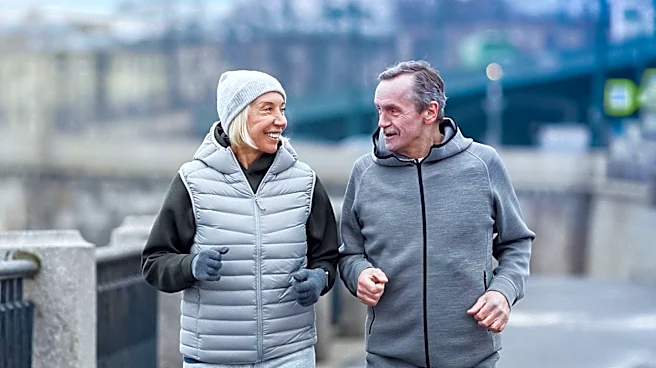
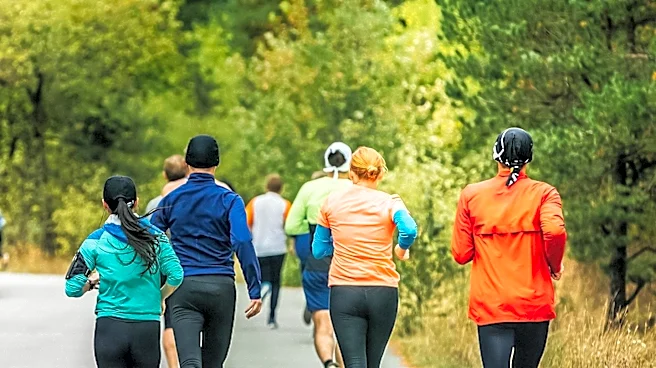
The COVID-19 pandemic has significantly altered lifestyles, leading to a surge in the popularity of running clubs. As people adapted to working from home and faced restrictions on outdoor activities, many turned to running as a form of exercise. This
shift has resulted in a 25% increase in running club memberships in the United States since 2019, according to a survey by Running USA. The pandemic prompted a reevaluation of priorities, with many individuals seeking health benefits and social connections through running. The trend is not limited to the U.S.; it is a global phenomenon, with similar increases in group running activities reported in cities worldwide.
Why It's Important?
The rise in running club memberships highlights a broader societal shift towards health and wellness, driven by the pandemic. This trend has implications for public health, as more people engage in regular physical activity, potentially reducing healthcare costs and improving overall well-being. Additionally, the social aspect of running clubs addresses the isolation many experienced during lockdowns, fostering community and support networks. The increased interest in running also presents opportunities for the fitness industry, including apparel and equipment manufacturers, to cater to a growing market of health-conscious consumers.
What's Next?
As the trend of running clubs continues to grow, it is likely that more diverse and inclusive groups will emerge, catering to specific communities and interests. This could include clubs focused on different demographics, such as women-only or LGBTQIA+ groups, further expanding the reach and impact of running as a social and health-promoting activity. Additionally, the integration of other fitness activities, such as high-intensity interval training (HIIT) or cycling, may become more common, offering varied experiences for participants.
Beyond the Headlines
The evolution of running clubs reflects broader cultural shifts towards inclusivity and community building. These clubs often serve as grassroots organizations that provide a sense of belonging and representation for marginalized groups. As running becomes more accessible and appealing to a wider audience, it may contribute to breaking down barriers in the fitness world, promoting diversity and acceptance.