



What's Happening?
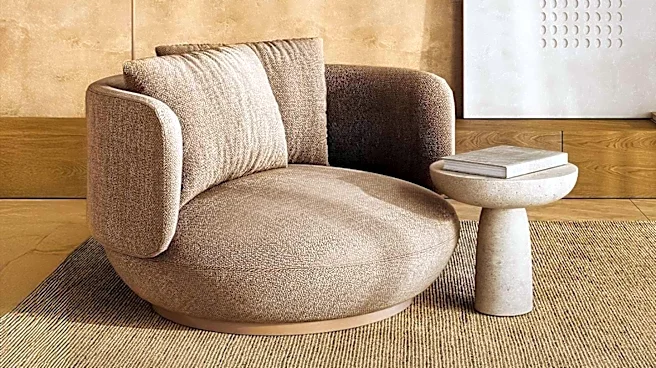
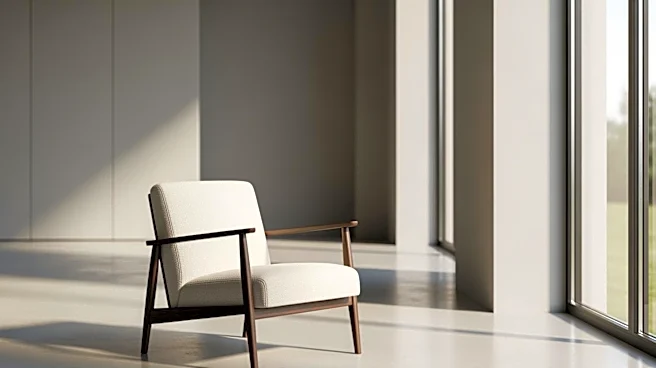
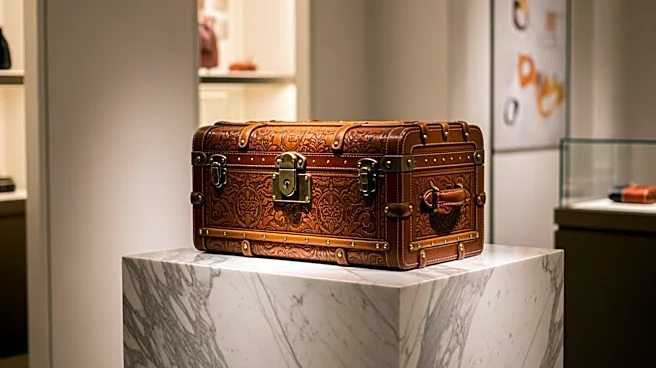
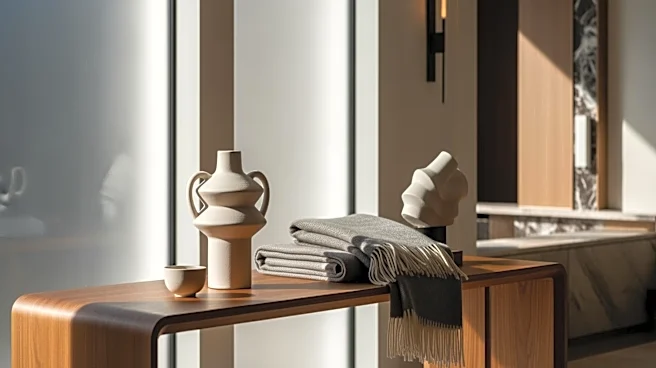
French luxury furniture firms are showcasing their designs at Milan Design Week through an exhibit called Le Design Défilé. This event features 13 French heritage and contemporary houses with 53 furniture pieces, aiming to enhance the global visibility
of French design. Organized by the French Living in Motion collective, the exhibit highlights the collaboration between creators, designers, and manufacturers to envision future living spaces. Despite France's rich cultural heritage in furniture design, its market has been overshadowed by Italy's larger and more diverse high-end furniture industry. The French market focuses on ultra-luxury but faces challenges in exports and distribution, particularly against Chinese imports.
Why It's Important?
The participation of French firms in Milan Design Week is significant as it represents an effort to strengthen their business-to-consumer potential on a global scale. The event provides a platform for French manufacturers to pool resources and gain visibility in a market dominated by Italian brands. This collaboration is crucial for French firms, which are often too small to succeed individually. By showcasing their designs collectively, they can make a stronger impact and compete more effectively in the international market. The focus on high-quality, innovative, and luxury products is essential for differentiating French furniture from mass-market competitors.
What's Next?
French manufacturers are expected to continue their collective efforts to enhance their global presence. The focus will likely remain on high-end and luxury segments, with an emphasis on innovative design and quality. The French Living in Motion consortium may pursue legal action against foreign marketplaces like Temu, which are seen as promoting ultra-fast consumption and violating product safety standards. This could lead to increased regulatory scrutiny and efforts to protect consumer safety and environmental standards in the furniture industry.
Beyond the Headlines
The collaboration among French furniture firms highlights the importance of collective action in a competitive global market. By working together, these firms can overcome individual limitations and leverage shared resources to enhance their international visibility. This approach also underscores the challenges faced by smaller markets in competing with larger, more established industries. The focus on sustainability and consumer safety reflects broader industry trends towards ethical and environmentally responsible practices.