







What's Happening?
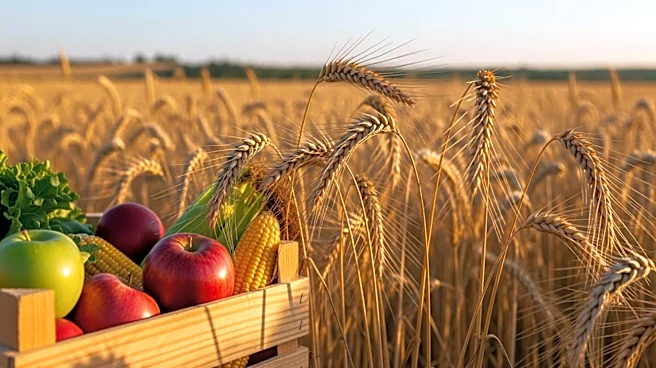
The Feeding the Economy report highlights the significant role of the food and agriculture sector in the U.S. economy, contributing $10.4 trillion in 2026, which accounts for roughly one-fifth of the total economic output. The sector supports a wide range
of activities from farming to food services, generating substantial employment and public revenue across all states. Despite its economic contributions, the sector faces challenges such as declining domestic production of fruits and vegetables due to high labor costs and global competition, which could shift jobs and economic value abroad.
Why It's Important?
The food and agriculture sector is a cornerstone of the U.S. economy, supporting millions of jobs and contributing significantly to national economic output. Its vast reach impacts various industries, including manufacturing, transportation, and retail. The challenges faced by the sector, such as declining domestic production, could have far-reaching implications for job security and economic stability in related industries. Ensuring the sector's resilience is crucial for maintaining its economic contributions and supporting U.S. communities.
What's Next?
Addressing the challenges in the food and agriculture sector will require strategic policy interventions to enhance competitiveness and sustainability. This may involve investing in technology, reducing regulatory burdens, and fostering innovation to boost domestic production. Stakeholders, including policymakers, industry leaders, and farmers, will need to collaborate to develop solutions that ensure the sector's continued growth and contribution to the U.S. economy.