




What's Happening?
The integration of Artificial Intelligence (AI), Internet of Things (IoT), and robotics is transforming the manufacturing sector by enabling predictive capabilities and enhancing operational efficiency. Traditional manufacturing relied on fixed schedules
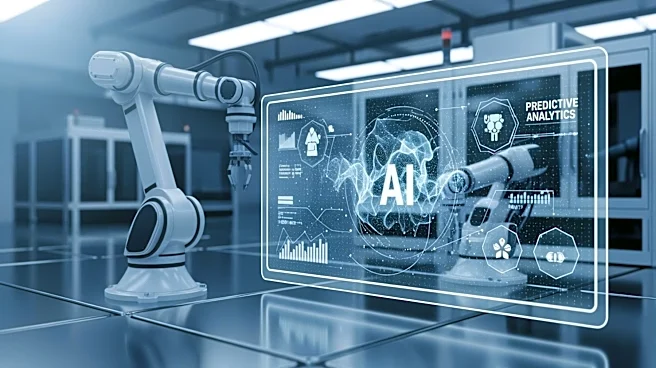
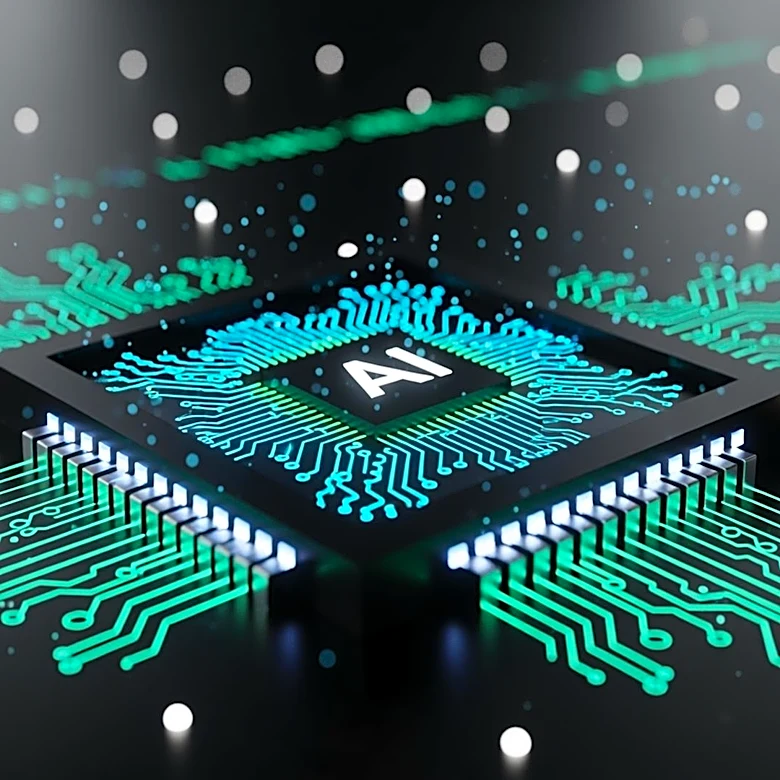
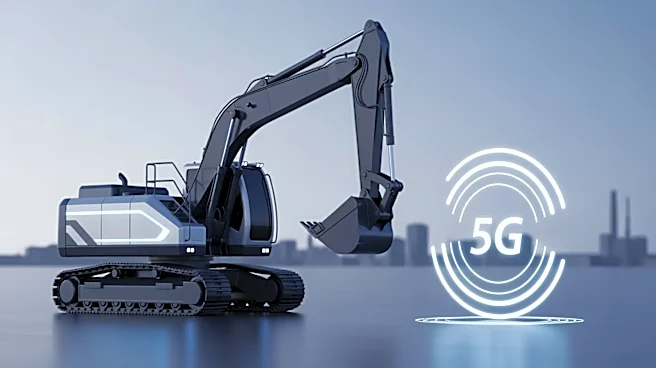
and manual controls, often leading to inefficiencies and delays. However, the adoption of AI and IoT connectivity is allowing facilities to identify and address inefficiencies before they impact production. This shift is particularly crucial in industries like custom chip manufacturing, where precision is vital. AI is now embedded in manufacturing systems to assist with predictive maintenance, inventory forecasting, quality assurance, energy consumption analysis, and workflow optimization. The connectivity provided by IoT links production equipment, warehouse systems, and monitoring platforms, creating a unified network that enhances real-time data visibility and operational decision-making.
Why It's Important?
The convergence of AI, IoT, and robotics in manufacturing is significant as it enhances efficiency, reduces operational costs, and improves product reliability. By enabling predictive maintenance and real-time data analysis, manufacturers can minimize downtime and optimize resource allocation. This technological advancement is crucial for maintaining competitiveness in volatile markets and ensuring consistent production quality. The ability to predict and address potential issues before they escalate can lead to substantial cost savings and increased profitability. Additionally, the integration of these technologies supports the transition towards more sustainable manufacturing practices by optimizing energy consumption and reducing waste.
What's Next?
As manufacturing continues to evolve with AI, IoT, and robotics, the focus will likely shift towards further integration and automation. Manufacturers may invest in more advanced AI systems capable of handling complex decision-making processes and adapting to dynamic production environments. The development of collaborative robots that can work alongside human workers will also be a key area of growth, enhancing flexibility and adaptability in manufacturing processes. Furthermore, the emphasis on data-driven decision-making will necessitate robust data management systems and cybersecurity measures to protect sensitive information and ensure operational integrity.