







What's Happening?
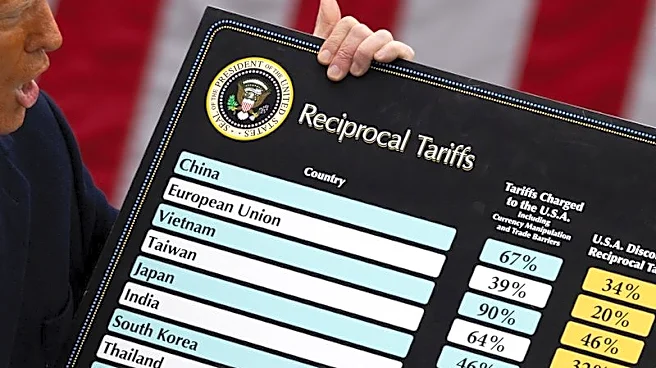
The U.S. Customs and Border Protection (CBP) has launched the first phase of its electronic tariff refund system, allowing importers to apply for refunds on tariffs deemed unconstitutional by the Supreme Court. The $166 billion refund pool is available
to businesses affected by these tariffs. However, small businesses may face significant challenges in accessing these funds due to limited resources and legal complexities. Unlike larger companies, small businesses often lack the legal expertise and financial resources to navigate the refund process effectively. This situation is exacerbated by the tight time frames and legal uncertainties surrounding the refund applications.
Why It's Important?
The availability of tariff refunds is crucial for small businesses that have been financially strained by the tariffs. These businesses typically operate on thin margins and have been disproportionately affected by the increased costs. Access to refunds could provide much-needed financial relief and help them recover from the economic impact of the tariffs. However, the challenges in accessing these funds highlight the disparities between small and large businesses in navigating complex legal and financial systems. Ensuring that small businesses can effectively claim their refunds is essential for promoting economic equity and supporting the recovery of the small business sector.
What's Next?
Small businesses will need to navigate the legal and procedural hurdles to secure their refunds. This may involve seeking legal counsel or participating in advocacy efforts to ensure fair access to the refund process. The government may also need to address the procedural challenges and provide additional support to small businesses to facilitate their participation in the refund process. The outcome of these efforts will have significant implications for the financial health of small businesses and their ability to compete in the market.