



What's Happening?
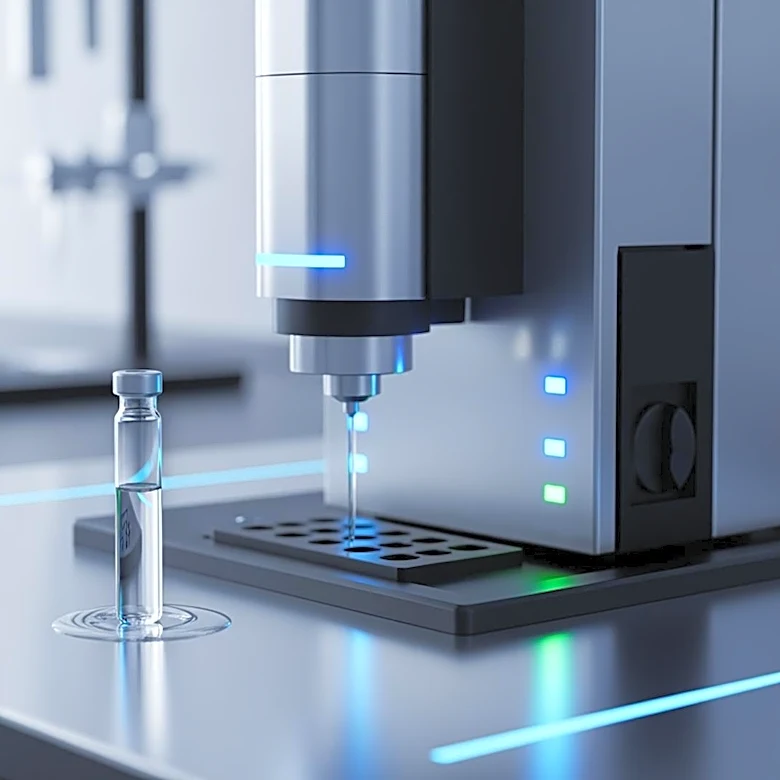
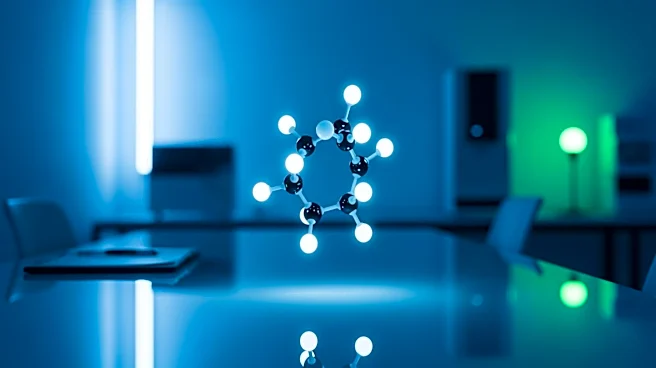
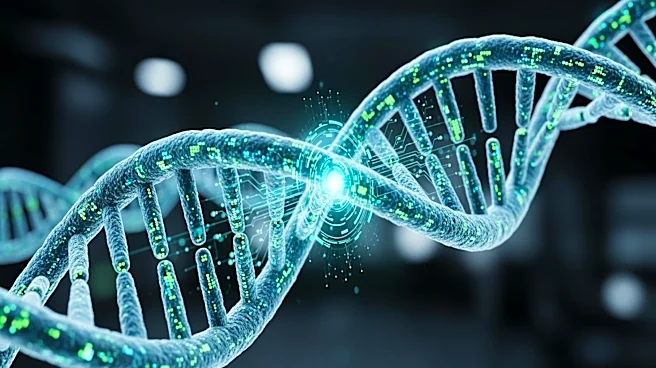
An international team of researchers, led by Professor Kirill Alexandrov from QUT, has developed AI-generated proteins that function as smart molecular sensors. These proteins activate only when they detect specific target molecules, offering a new approach
to creating low-cost biosensors for applications in medicine, environmental monitoring, and biotechnology. The study, published in Nature Biotechnology, demonstrates that these AI-designed proteins can operate within living bacterial cells and can be linked to electrodes to produce measurable outputs, such as electrical signals. This innovation expands the possibilities for protein engineers, who were previously limited to modifying natural proteins, by providing a new method to design sensors on demand.
Why It's Important?
The development of AI-generated proteins as molecular sensors represents a significant advancement in synthetic biology and biotechnology. These smart proteins could lead to the creation of more efficient and cost-effective biosensors, which are crucial for various applications, including medical diagnostics and environmental monitoring. By enabling the detection of specific molecules and triggering responses, these sensors could improve the accuracy and reliability of monitoring systems. This technology also challenges existing notions in protein science, offering new insights into protein regulation and opening up new strategies for designing biosensors. The potential applications of this technology are vast, ranging from portable diagnostic devices to engineered cells that can intelligently respond to chemical signals.
What's Next?
The research team plans to further explore the capabilities of these AI-generated proteins, focusing on their application in real-world scenarios. Future developments may include the creation of portable diagnostic devices and environmental sensing systems that utilize these smart proteins. Additionally, the team aims to refine the technology to enhance its functionality and reliability in various settings. As the technology matures, it could lead to significant advancements in synthetic biology, providing new tools for researchers and industry professionals to develop innovative solutions for complex challenges.