
What's Happening?
The U.S. labor market remains stable as the number of Americans filing for unemployment benefits rose slightly last week, reaching 200,000. Despite this increase, layoffs remain low, indicating a steady
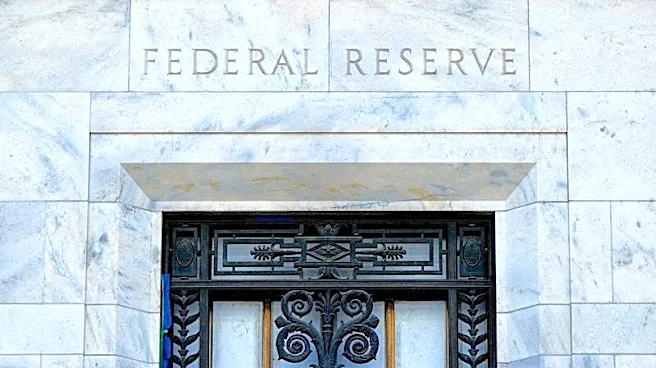
labor market. The Labor Department's report highlights that fewer people are collecting unemployment checks, although this could be due to the exhaustion of eligibility. The labor market's resilience is underscored by the fact that jobless claims have stayed below the 230,000 level this year, despite significant layoffs in the tech sector due to AI adoption. The Federal Reserve has maintained its interest rates, citing inflation concerns, and financial markets expect these rates to remain steady into 2027.
Why It's Important?
The stability of the U.S. labor market is crucial for economic confidence and consumer spending. Low layoffs and stable jobless claims suggest that the economy is resilient despite external pressures such as geopolitical tensions and inflation. This stability supports the Federal Reserve's decision to maintain interest rates, which can influence borrowing costs for businesses and consumers. The tech sector's layoffs, driven by AI adoption, highlight a shift in employment dynamics, potentially affecting future job market trends. The labor market's health is a key indicator for policymakers and investors, impacting decisions on monetary policy and investment strategies.
What's Next?
The upcoming employment report for April will provide further insights into the labor market's trajectory. Economists predict a slowdown in job growth, which could influence future Federal Reserve policies. The ongoing geopolitical tensions and their impact on oil prices may also affect economic conditions, potentially leading to adjustments in fiscal and monetary policies. Stakeholders, including businesses and policymakers, will closely monitor these developments to adapt their strategies accordingly.