


What's Happening?
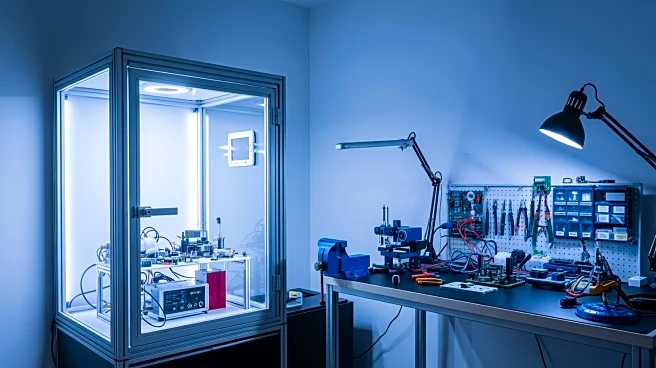
A YouTube channel named Dr.Semiconductor has demonstrated the construction of a semiconductor-class cleanroom in a backyard shed, showcasing the potential for DIY chip-making. The cleanroom, built using mainstream materials like insulation and HEPA filters,
achieves a Class 100 cleanroom status, similar to those used by major semiconductor manufacturers like TSMC and Intel. The cleanroom maintains positive air pressure to prevent contamination, a critical factor in chip production. However, the process of actually manufacturing chips requires expensive and specialized equipment, such as lithography machines and digital design tools, which are beyond the reach of typical DIY enthusiasts.
Why It's Important?
The demonstration of a backyard cleanroom highlights the growing interest in semiconductor manufacturing amid the global chip shortage and AI boom. While the cleanroom itself is a significant achievement, the high cost and complexity of acquiring the necessary chip-making tools underscore the challenges faced by small-scale manufacturers. This development reflects the broader industry trend where large-scale production remains dominated by a few major players due to the prohibitive costs involved. The DIY approach, while innovative, is unlikely to disrupt the current market dynamics but serves as a testament to the ingenuity and resourcefulness of individuals in the tech community.
What's Next?
For those interested in pursuing backyard chip-making, the next steps involve addressing the financial and technical barriers associated with acquiring chip-making equipment. The high costs of lithography machines and other essential tools mean that significant investment or collaboration with existing manufacturers would be necessary. Additionally, regulatory and intellectual property considerations, particularly concerning CPU and GPU designs, present further challenges. The broader industry may continue to explore ways to democratize access to semiconductor manufacturing, but substantial breakthroughs are needed to make small-scale production viable.
Beyond the Headlines
The backyard cleanroom project raises questions about the future of semiconductor manufacturing and the potential for decentralization. While the current model favors large-scale production, advancements in technology and reductions in equipment costs could eventually enable more widespread participation in chip-making. This shift could lead to increased innovation and competition, potentially impacting global supply chains and market structures. However, ethical and legal considerations, such as intellectual property rights and environmental impacts, will need to be addressed as part of this evolution.