






What's Happening?
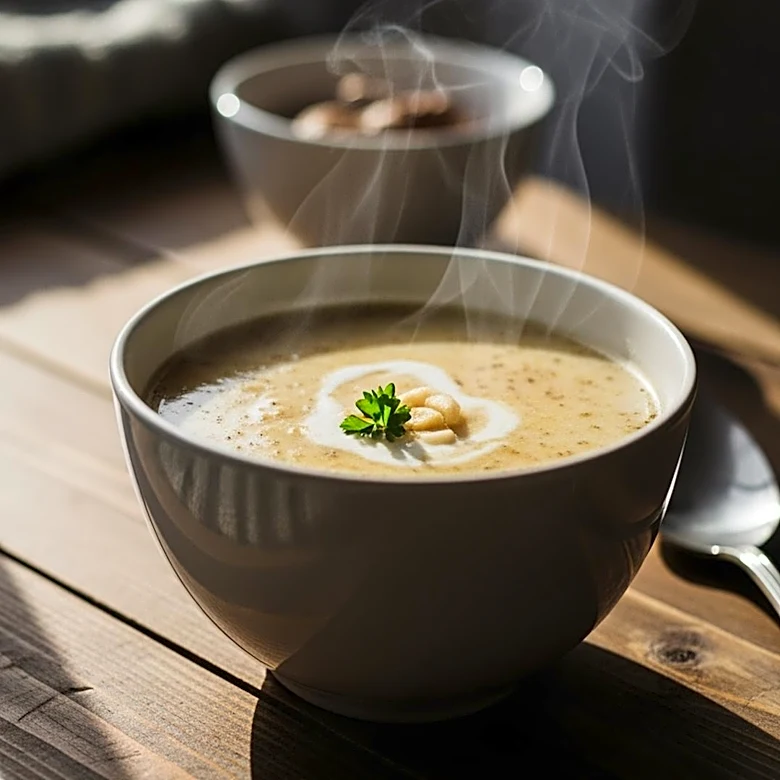
A new breakfast trend is emerging in the United States, where some Americans are opting for soup instead of traditional cereal or pancakes. This shift is driven by a desire for a balanced, protein-rich meal that avoids the sugar and refined carbohydrates
typically found in conventional breakfast foods. Chef Suzy Karadsheh, known for her work on The Mediterranean Dish, has been promoting soup for breakfast as an ancient remedy that aids in fighting inflammation and improving hydration. Nutritionist Kat Chan supports this trend, highlighting the benefits of warm, savory meals that provide protein, fat, and fiber, which help maintain steady blood sugar levels and energy. The trend is gaining traction as it aligns with global practices, particularly in the Mediterranean and Asia, where savory breakfasts are common.
Why It's Important?
The shift towards soup for breakfast reflects a broader movement towards healthier eating habits in the U.S. By choosing meals that are high in protein and low in sugar, individuals can potentially improve their overall health, reducing the risk of energy crashes and inflammation. This trend could influence the food industry, prompting companies to develop new products that cater to this growing preference for savory, nutrient-dense breakfast options. Additionally, the trend may encourage more people to prepare meals at home, which can be more cost-effective and allow for greater control over ingredients, particularly sodium levels, which are a concern for those with high blood pressure.
What's Next?
As the trend continues to gain popularity, it is likely that more food companies will explore the development of breakfast soups and related products. Nutritionists and health experts may further study the benefits of savory breakfasts, potentially leading to new dietary guidelines or recommendations. The trend could also inspire culinary innovation, with chefs and home cooks experimenting with different soup recipes that incorporate a variety of vegetables, proteins, and herbs. If the trend persists, it may lead to a cultural shift in how Americans perceive and consume breakfast, moving away from traditional sugary options towards more balanced and nutritious meals.