


What's Happening?
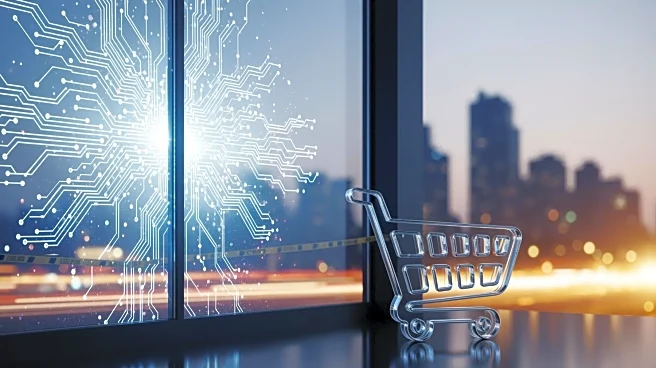
The retail industry is poised for significant changes in 2026, driven by the adoption of generative AI and economic factors such as inflation and price increases. Retail Dive highlights the growing use of AI in retail, which is expected to impact customer data management and workforce dynamics. The state of department stores remains uncertain, particularly following the bankruptcy of luxury conglomerate Saks Global. Additionally, consumer spending trends are shifting, influenced by economic pressures and evolving fashion cycles. These developments are set against a backdrop of long-term trends, such as the evolution of malls and the impact of past political decisions, including tariffs from the Trump administration.
Why It's Important?
The integration of generative
AI in retail could revolutionize how businesses interact with consumers, potentially enhancing personalization and efficiency. However, it also poses risks related to data privacy and workforce displacement. The economic pressures of inflation and price increases may alter consumer behavior, affecting sales across various retail sectors. The uncertainty surrounding department stores, exemplified by Saks Global's bankruptcy, highlights the challenges traditional retail models face in adapting to new market conditions. These trends could lead to significant shifts in the retail landscape, impacting stakeholders from retailers to consumers.
What's Next?
Retailers are likely to continue investing in AI technologies to stay competitive, while also navigating the challenges of data management and workforce adaptation. The industry may see further consolidation as companies seek to streamline operations and reduce costs. Consumer behavior will be closely monitored to anticipate shifts in spending patterns, particularly in response to economic conditions. The future of department stores remains uncertain, with potential for further closures or restructuring as they adapt to changing consumer preferences.