





What's Happening?
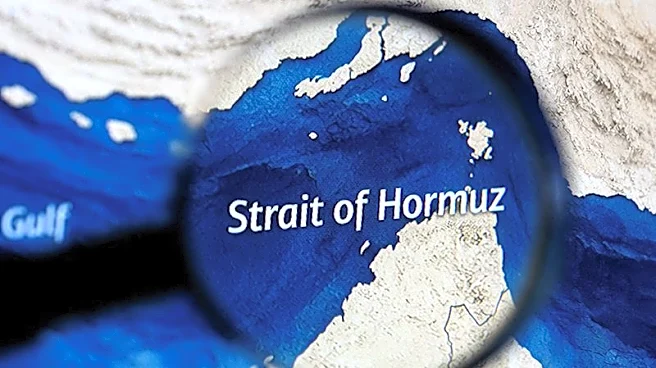
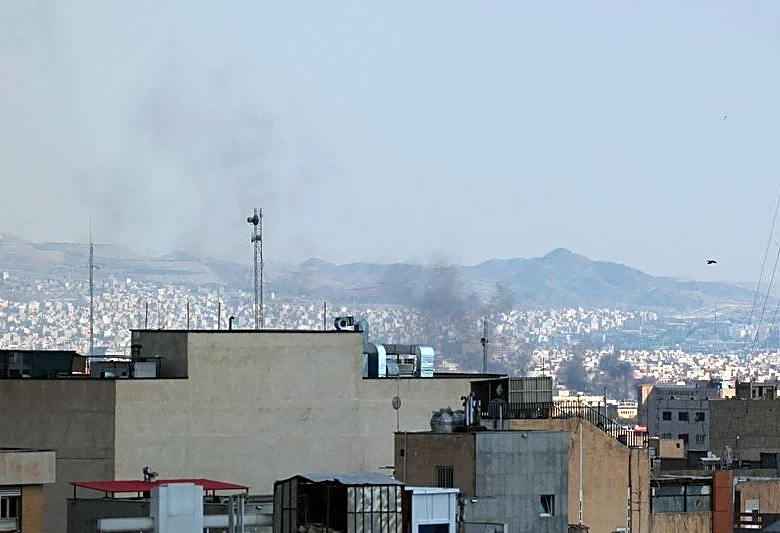
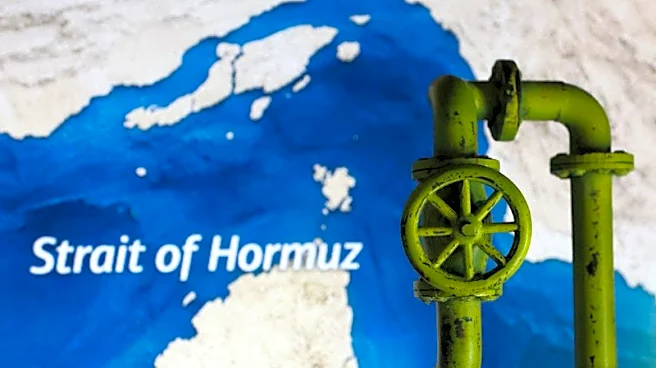
Danone's CEO, Antoine de Saint-Affrique, has expressed concerns over potential price hikes due to inflationary pressures stemming from the ongoing conflict in Iran. The closure of the Strait of Hormuz has led to increased energy, fertilizer, and shipping
costs, which are expected to impact global food production and distribution. The International Monetary Fund has warned that even if the conflict resolves soon, it will likely result in higher inflation and weaker economic growth. The British Food and Drink Federation has revised its food inflation forecast to at least 9% by the end of the year, the highest since 2023. Retailers are also feeling the pressure, with some already accounting for additional costs due to the Middle East conflict.
Why It's Important?
The escalation of the Iran conflict and the resulting closure of the Strait of Hormuz have significant implications for global food prices and economic stability. As a major passage for global oil supply, its closure has led to increased costs for energy and essential agricultural inputs, which are likely to be passed on to consumers. This situation poses a challenge for companies like Danone, which may need to adjust their pricing strategies to maintain profitability. The broader economic impact includes potential inflationary pressures and slower growth, affecting both businesses and consumers worldwide.
What's Next?
The situation remains fluid, with the potential for further economic disruptions if the conflict continues. Companies and governments will need to monitor developments closely and prepare for possible long-term impacts on supply chains and pricing. The reopening of the Strait of Hormuz and stabilization of key facilities are critical to mitigating these effects. Stakeholders, including businesses and policymakers, will need to consider strategies to manage increased costs and ensure food security.