


What's Happening?
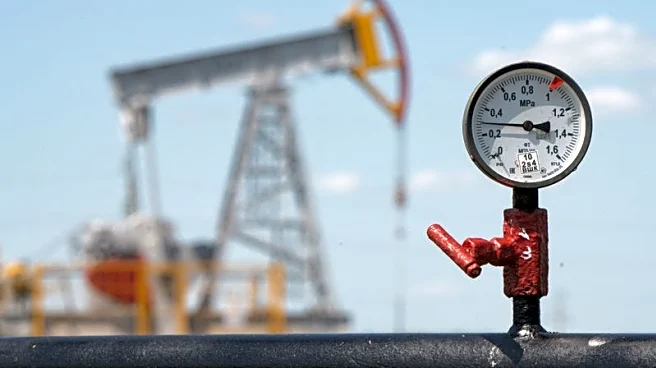
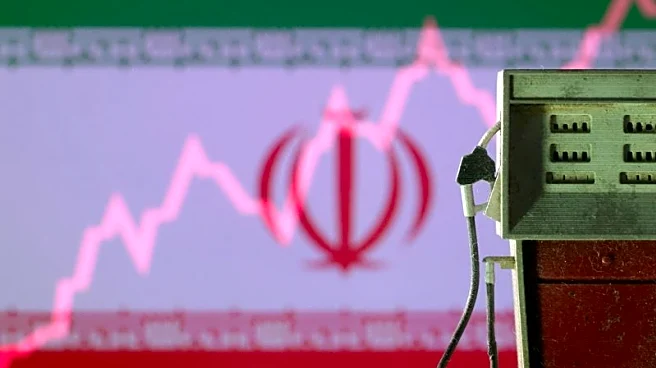
Brent crude oil prices have risen above $90 per barrel as the conflict in the Middle East, involving the U.S., Israel, and Iran, continues to escalate. The conflict has led to missile strikes and disruptions to energy infrastructure, particularly affecting
the Strait of Hormuz, a critical oil transit route. The ongoing tensions have kept global energy markets on edge, with Brent crude gaining 18% and West Texas Intermediate (WTI) crude gaining 21% in recent trading sessions. The situation has been exacerbated by weak U.S. labor data, adding to concerns about global economic stability.
Why It's Important?
The rise in oil prices due to the Middle East conflict has significant implications for global energy markets and economic stability. Higher energy costs can contribute to inflationary pressures, complicating monetary policy decisions for central banks, including the U.S. Federal Reserve. The disruption in the Strait of Hormuz, which handles a significant portion of the world's oil supply, highlights the vulnerability of global energy trade to geopolitical tensions. The potential for prolonged disruptions could lead to tighter global oil supplies and further price increases, impacting consumers and businesses worldwide.
What's Next?
The conflict shows few signs of de-escalation, with continued fighting and disruptions expected to keep energy markets volatile. Stakeholders may need to explore alternative supply routes or increase production elsewhere to mitigate the impact. The situation also raises the possibility of diplomatic interventions to de-escalate tensions and restore stability in the region. Monitoring developments in the Middle East will be crucial for anticipating future shifts in energy markets.