





What's Happening?
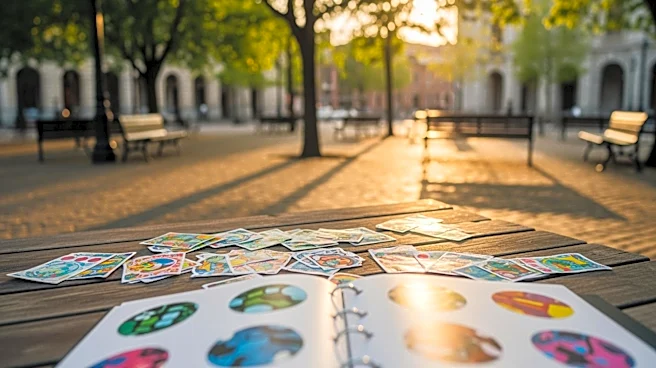
In the lead-up to the FIFA World Cup, Argentine plazas are bustling with activity as thousands engage in the popular tradition of collecting and trading Panini stickers. This activity, which has been a part of the World Cup experience for over fifty years,
sees enthusiasts gathering in public spaces to exchange stickers and complete their official World Cup stickerbooks. The Panini sticker collection for this World Cup is the largest ever, reflecting the increase in participating countries from 32 to 48. The stickers, featuring famous soccer players, are traded in person and through digital platforms like WhatsApp and dedicated apps. The tradition is not only a hobby but also a social event, bringing people together in a shared passion.
Why It's Important?
The sticker trading phenomenon highlights the cultural significance of the World Cup beyond the matches themselves. It fosters community engagement and provides a platform for social interaction, especially in South America where the tradition is deeply rooted. The activity also has educational benefits for children, helping them develop skills such as geography and number sequencing. Economically, the sale of stickers and albums represents a significant market, with some collectors spending substantial amounts to complete their collections. This tradition underscores the World Cup's role in uniting people globally through shared interests and cultural practices.