




What's Happening?
A recent survey conducted by Talker Research for Club Wyndham reveals that 77% of Americans believe that personal space during vacations helps ease tension with travel companions. The survey, which included 2,000 participants, found that the average respondent
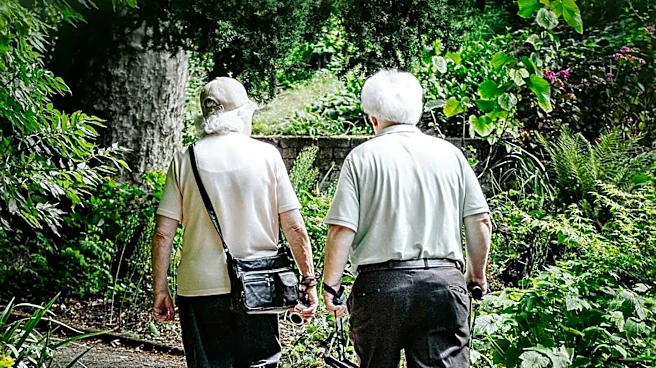
requires two hours of alone time per day while on vacation. This personal space allows travelers to pursue individual interests and recharge, ultimately leading to a more satisfying and harmonious travel experience. The findings suggest that taking time for oneself can strengthen relationships by allowing partners to reconnect and share their experiences after spending time apart.
Why It's Important?
The survey highlights the importance of balancing togetherness and independence in relationships, particularly during travel. As vacations often involve close quarters and constant interaction, personal space can prevent conflicts and enhance the overall experience. This insight is valuable for couples and families planning trips, as it encourages them to consider individual needs and preferences. By allowing for personal space, travelers can enjoy a more fulfilling vacation and return home with positive memories and strengthened relationships.
What's Next?
As awareness of the benefits of personal space during vacations grows, travel companies may begin to offer accommodations and packages that cater to this need. This could include options for separate rooms or activities that allow for individual exploration. Additionally, the travel industry might see an increase in demand for experiences that promote relaxation and personal growth, such as wellness retreats and solo travel opportunities. These trends could lead to a more diverse range of travel options that prioritize both individual and shared experiences.
Beyond the Headlines
The emphasis on personal space during vacations reflects a broader societal trend towards valuing mental health and well-being. As people become more aware of the importance of self-care, they may seek out travel experiences that allow them to disconnect and recharge. This shift could lead to a greater focus on sustainable and mindful travel, as individuals prioritize experiences that promote personal growth and well-being. Furthermore, the recognition of personal space as a key component of successful relationships may encourage more open communication and understanding between partners, both during travel and in everyday life.