




What's Happening?
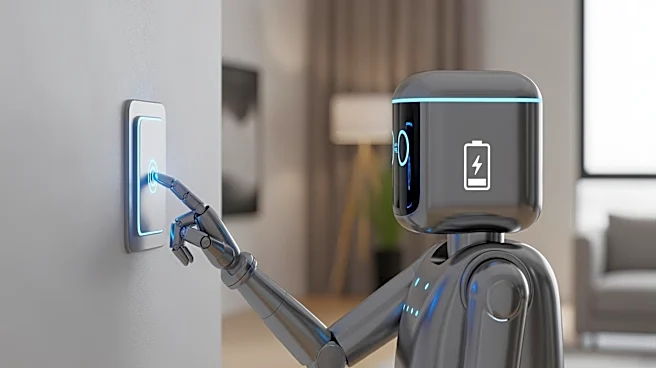
SwitchBot has launched a new version of its button-pressing robot, now featuring a rechargeable battery. This updated model retains the functionality of the original, which was pivotal in establishing the company a decade ago. The new SwitchBot Bot Rechargeable
can be attached to buttons or rocker switches to physically press them using a small arm. Unlike the original, which uses a disposable 3V CR2 battery, the rechargeable version includes a 370mAh battery with a USB-C port for recharging. This change aims to offer a more sustainable and eco-friendly option, although it comes with a tradeoff in battery life. The rechargeable model lasts about six months with one press per day, compared to the original's estimated 600 days with two presses per day.
Why It's Important?
The introduction of a rechargeable version of the SwitchBot Bot reflects a growing trend towards sustainability in consumer electronics. By reducing reliance on disposable batteries, the new model aligns with increasing consumer demand for eco-friendly products. This shift could influence other companies in the smart home industry to adopt similar practices, potentially leading to broader environmental benefits. Additionally, the convenience of a rechargeable battery may enhance user experience, potentially increasing the product's market appeal and sales. This development highlights the ongoing innovation in the smart home sector, which continues to expand as more consumers seek to automate their living spaces.
What's Next?
As the SwitchBot Bot Rechargeable enters the market, consumer feedback will likely play a crucial role in its success. The company may monitor sales and user reviews to assess the product's reception and identify areas for improvement. If successful, SwitchBot might consider expanding its rechargeable technology to other products in its lineup. Competitors in the smart home industry may also take note of this development, potentially leading to similar innovations in their product offerings. The broader adoption of rechargeable technology could further drive the smart home market towards more sustainable practices.