





What's Happening?
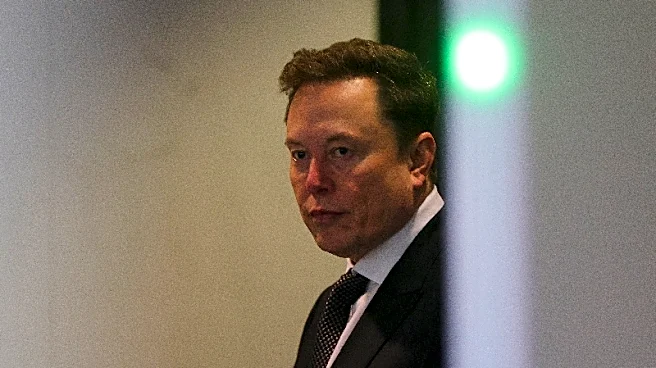
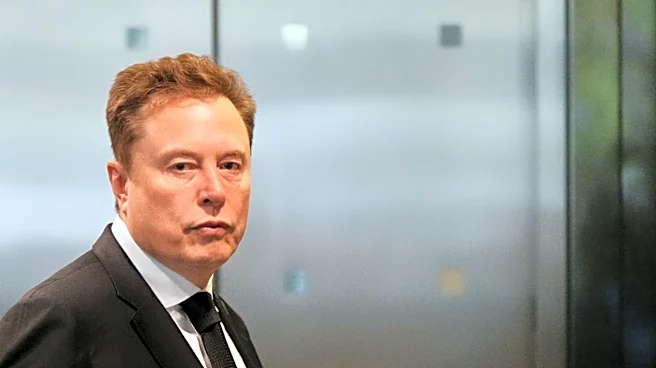
A federal jury in Oakland, California, dismissed Elon Musk's lawsuit against OpenAI, ruling that Musk filed his claims too late. Musk accused OpenAI's executives of betraying the original nonprofit vision of the company, which he co-founded, by shifting
towards profit-making. The jury's decision was based on a statutory deadline, not the merits of the case. Musk plans to appeal, arguing that OpenAI's leaders enriched themselves at the expense of the company's charitable mission. The trial highlighted the tensions between Musk and OpenAI, now a major player in AI development.
Why It's Important?
The verdict underscores the legal complexities and competitive tensions in the rapidly evolving AI industry. OpenAI's transformation from a nonprofit to a for-profit entity reflects broader trends in tech, where initial altruistic goals can clash with commercial interests. The outcome of this legal battle could influence future governance and operational models for tech startups, particularly those in AI. Stakeholders in the tech industry, including investors and policymakers, are closely watching the implications for innovation and ethical AI development.
What's Next?
Musk's planned appeal could prolong the legal dispute, potentially affecting OpenAI's operations and public perception. The case may also prompt discussions on the ethical responsibilities of tech companies and the balance between profit and public good. As AI continues to grow in influence, similar disputes may arise, prompting calls for clearer regulations and governance structures.