





What's Happening?
The global certified organic agricultural inputs market is experiencing significant growth, projected to reach $14.36 billion by 2032. This expansion is driven by a shift towards sustainable and environmentally responsible farming practices. The market is expected
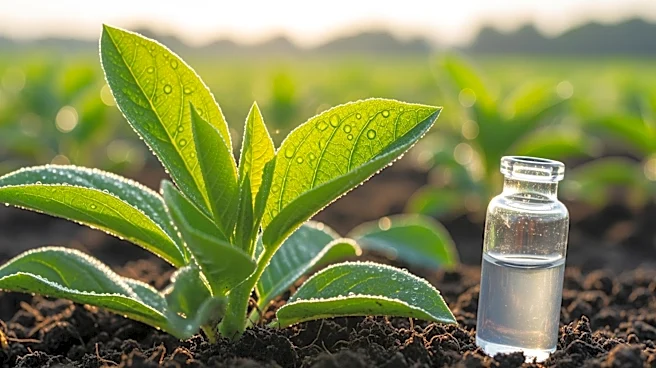
to grow at a compound annual growth rate of 15.2% from 2025 to 2032. The increasing demand for organic food products, which are produced without synthetic chemicals, pesticides, or genetically modified ingredients, is a major factor driving this growth. Farmers are transitioning from conventional to certified organic farming systems, increasing the demand for organic agricultural inputs such as bio stimulants, biofertilizers, and biocontrol products. These inputs not only meet certification requirements but also improve soil fertility, crop productivity, and environmental sustainability.
Why It's Important?
The growth of the certified organic agricultural inputs market reflects a broader global movement towards healthier lifestyles and sustainable agricultural practices. As consumers become more conscious of food safety and nutritional quality, the demand for pesticide-free and naturally cultivated food products is rising. This shift encourages farmers to adopt organic farming methods, which support biodiversity, conserve natural resources, and contribute to climate-resilient agriculture. The market's expansion also highlights the increasing importance of environmental concerns and soil health degradation, as certified organic inputs are seen as sustainable alternatives that help restore soil health and reduce environmental damage.
What's Next?
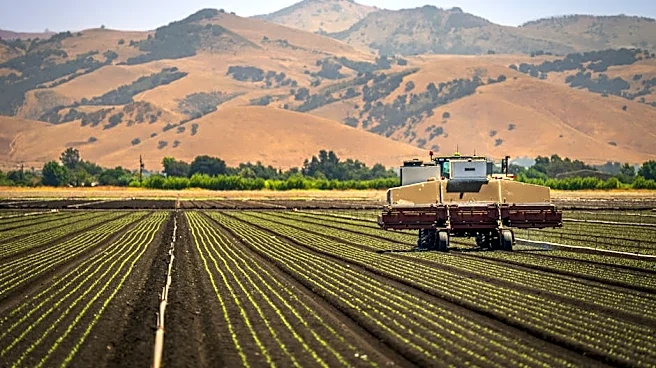
The market is expected to maintain strong momentum as sustainability becomes a central priority in global agriculture. Government support and regulatory initiatives are likely to further strengthen the market outlook, with several countries promoting organic farming through subsidies, incentives, and certification assistance. Technological advancements in organic agricultural inputs, such as improvements in formulation technologies and delivery systems, are also expected to drive market growth. The integration of organic inputs with precision agriculture technologies presents a major growth opportunity, enabling farmers to optimize input application and improve crop performance while minimizing waste and environmental impact.