


What's Happening?
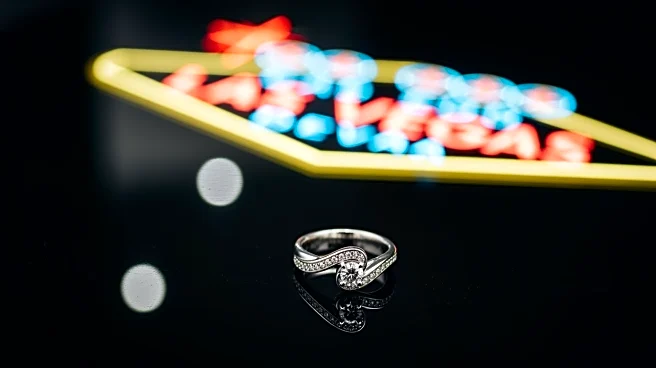
Speculation about a wedding between 'Spider-Man' co-stars Zendaya and Tom Holland intensified after Zendaya was seen wearing a plain gold band on her left ring finger. This led to rumors that the couple had secretly wed, further fueled by AI-generated
images depicting a luxurious ceremony. Zendaya's stylist, Law Roach, had previously hinted at a wedding, but later deflected questions about it. Zendaya addressed the rumors on Jimmy Kimmel's show, explaining that the images were AI-generated and not real, despite many people, including those close to her, being fooled by them. The actress used humor to dispel the rumors, showing a video from her upcoming film 'The Drama' to 'clear the confusion.'
Why It's Important?
The incident highlights the growing influence and potential pitfalls of AI technology in creating realistic but false images that can mislead the public. This situation underscores the challenges celebrities face in managing their public image amidst the proliferation of digital misinformation. It also raises concerns about the ethical use of AI in media and the responsibility of platforms to prevent the spread of false information. For fans and the public, it serves as a reminder to critically evaluate the authenticity of online content, especially when it involves personal lives of public figures.
What's Next?
As AI technology continues to advance, there may be increased scrutiny and calls for regulation to address the creation and distribution of misleading content. Celebrities and public figures might need to adopt new strategies to protect their privacy and manage their public narratives. Media platforms could face pressure to implement more robust verification processes to prevent the spread of AI-generated misinformation. The entertainment industry may also explore legal avenues to protect individuals from unauthorized use of their likeness in AI-generated content.
Beyond the Headlines
This event could spark broader discussions about the ethical implications of AI in media and entertainment. It raises questions about consent and the rights of individuals to control their digital likeness. The incident may also influence public perception of AI, highlighting both its creative potential and its capacity for misuse. As society grapples with these issues, there may be a push for clearer guidelines and ethical standards in the development and application of AI technologies.