
What's Happening?
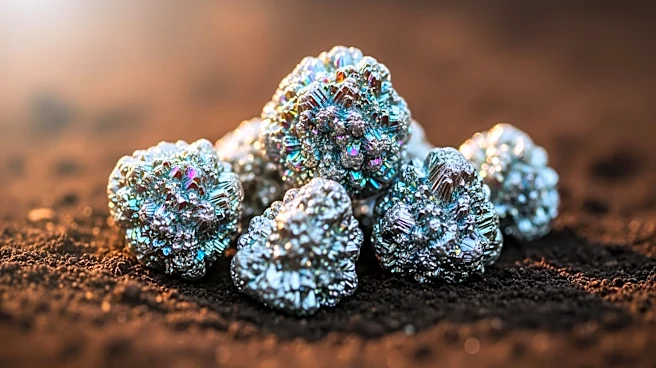
Brazil is experiencing a surge in interest for its rare earth metals, positioning itself as a potential rival to China in the supply of these critical materials. The country is home to significant reserves
of rare earth elements, essential for technologies like electric vehicles and renewable energy. Companies such as Meteoric Resources are heavily investing in Brazil, with projects like the Caldeira project in Minas Gerais, which is the largest ionic clay deposit globally. These deposits are crucial for producing high-performance magnets used in various advanced technologies. The International Energy Agency notes that demand for these elements has doubled since 2015 and is expected to grow by over 30% by 2030.
Why It's Important?
Brazil's development of its rare earth industry could significantly impact global supply chains, reducing reliance on China, which currently dominates the market. This shift could lead to more competitive pricing and increased innovation in industries dependent on these materials, such as automotive and technology. The U.S. and other countries may benefit from a more diversified supply chain, enhancing economic stability and security. Brazil's ability to capitalize on its natural resources could boost its economy and position it as a key player in the global market for rare earth elements.
What's Next?
Brazil's focus on expanding its rare earth industry will likely attract further foreign investment and partnerships, particularly from countries seeking to diversify their supply sources. The country may need to develop its refining and processing capabilities to maximize the value of its exports. As Brazil builds its infrastructure, it could become a major player in the global market, influencing prices and availability of rare earth elements. The success of these initiatives will depend on Brazil's ability to address environmental and regulatory challenges while maintaining investor confidence.