

What's Happening?
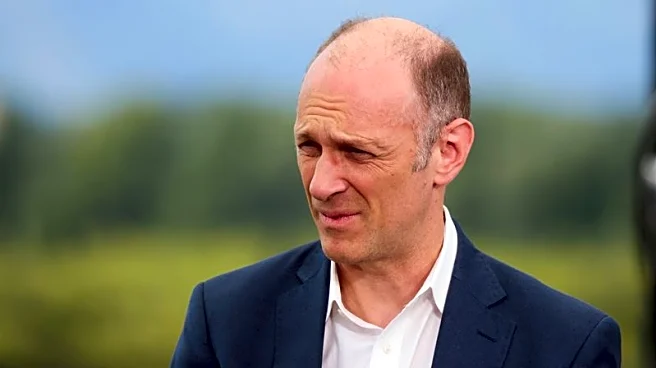
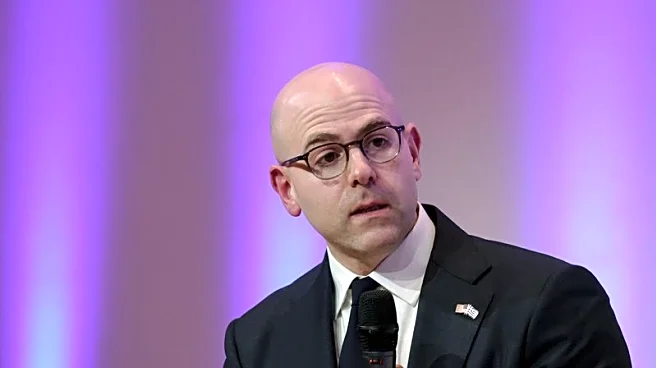
Chicago Federal Reserve President Austan Goolsbee has expressed heightened concern over inflation, despite progress in negotiations with Iran. In a CNBC interview, Goolsbee highlighted the challenges of policymaking in the current environment, particularly
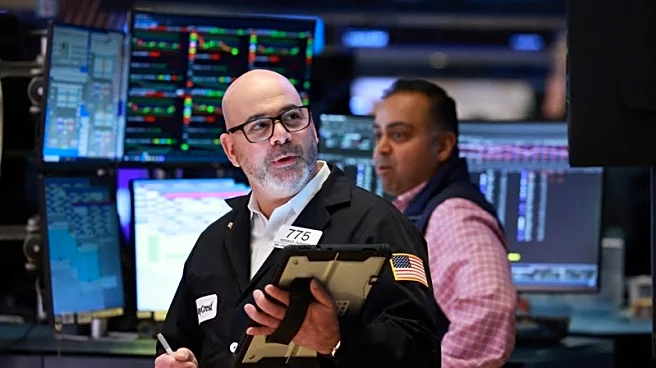
with the ongoing conflict in the Middle East. He noted that while there is optimism for rate reductions by the end of 2026, the situation with Iran complicates these plans. Goolsbee had previously dissented on a rate cut in December and agreed with holding rates steady in recent Federal Open Market Committee meetings. Following news of progress in the Middle East, market traders increased bets on a rate hike by the end of the year, although a cut is still expected in 2027. Goolsbee emphasized the need for proof of inflation heading towards the 2% target, cautioning against underestimating inflation severity as was done in 2021.
Why It's Important?
The concerns raised by Goolsbee underscore the delicate balance the Federal Reserve must maintain in managing inflation while navigating geopolitical tensions. Inflation impacts consumer purchasing power and can lead to increased costs for businesses, affecting economic growth. The potential for rate hikes could influence borrowing costs, impacting investment and spending. The Fed's cautious approach reflects the complexity of economic resilience amidst global uncertainties. Stakeholders, including businesses and consumers, may face challenges as inflation pressures persist, influencing financial planning and economic stability.
What's Next?
The Federal Reserve will continue to monitor inflation trends and geopolitical developments to inform its monetary policy decisions. Market participants will closely watch for signs of inflation progress and potential rate adjustments. The ongoing conflict in the Middle East may further impact oil prices and inflation, requiring adaptive strategies from the Fed. Businesses and consumers will need to prepare for potential shifts in interest rates and economic conditions, influencing investment and spending decisions.