


What's Happening?
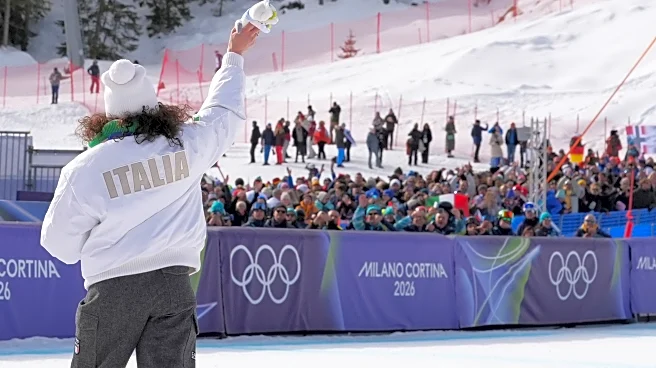
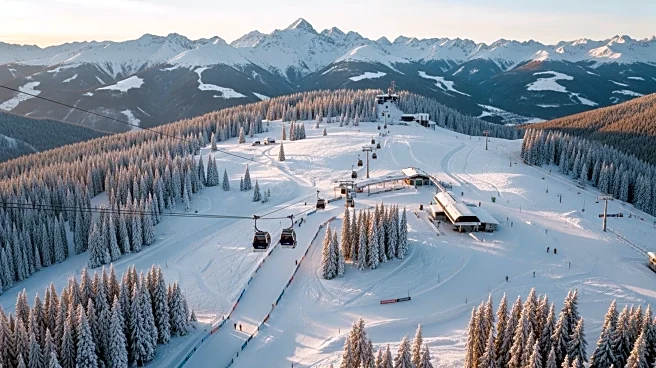
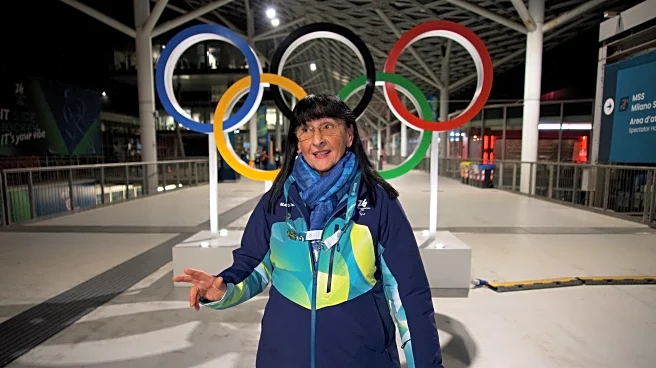
The 2026 Winter Olympics in Milan Cortina are notable for their expansive geographic layout, spreading events across a vast area of northern Italy. This setup has introduced logistical challenges for athletes and fans, with long travel times between venues. The games are taking place over a 22,000 square kilometer area, making them the most spread-out Winter Games in history. While this model aims to distribute economic benefits across the region and avoid excessive infrastructure investment, it has received mixed reviews from participants and spectators.
Why It's Important?
The dispersed nature of the Milan Cortina Olympics represents a shift in how the games are organized, potentially setting a precedent for future events. This model could influence how host cities
plan and execute large-scale sporting events, balancing economic benefits with logistical challenges. The approach may encourage more regions to bid for the Olympics, knowing that the infrastructure demands can be spread out, reducing the financial burden on a single city.
What's Next?
As the games continue, organizers and participants will need to adapt to the unique challenges posed by the spread-out venues. Feedback from this experience will likely inform the planning of future Olympics, including the 2030 Winter Games, which are expected to follow a similar model. Stakeholders will assess the economic impact and logistical feasibility to determine if this approach should be refined or adjusted for future events.
Beyond the Headlines
The wide distribution of events may also impact the traditional Olympic atmosphere, as the lack of a central hub could dilute the sense of community and shared experience typically associated with the games. However, it offers an opportunity for more localized cultural exchanges and tourism, potentially enriching the overall Olympic experience for those who embrace the travel and exploration aspects.