








What's Happening?
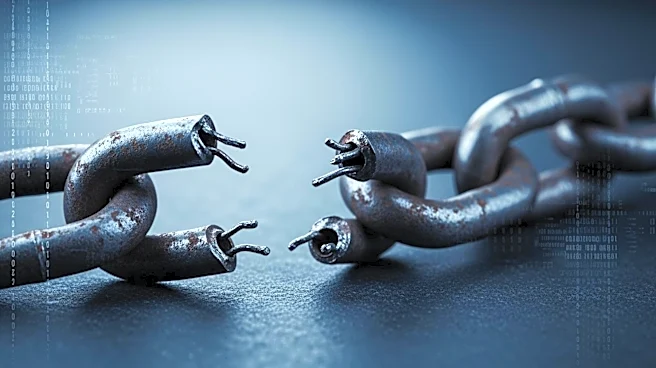
A supply chain attack known as Mini Shai-Hulud has affected over 1,800 developers across the PyPi, NPM, and PHP ecosystems. The attack, attributed to the TeamPCP hacking group, involved malicious versions of SAP NPM packages delivering information-stealing
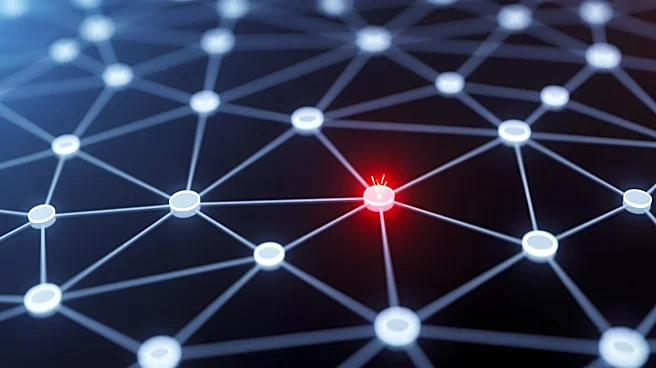
malware. This malware collected credentials, keys, tokens, and other secrets from infected machines, publishing the data to GitHub repositories. The attack expanded to include the Lightning PyPi package and the intercom-client NPM package, which have a combined monthly download count of nearly 10 million. The campaign appears to be a continuation of the Shai-Hulud attacks from late 2025, with additional compromises observed in the Packagist ecosystem.
Why It's Important?
This attack highlights the vulnerabilities within software supply chains, which are critical components of modern software development. The breach of developer credentials poses significant risks, potentially leading to unauthorized access and exploitation of sensitive systems. As software ecosystems become increasingly interconnected, the impact of such attacks can be widespread, affecting numerous organizations and individuals. The incident underscores the need for robust security measures and vigilance in monitoring software dependencies and updates. It also raises awareness about the importance of securing supply chains to prevent similar attacks in the future.
What's Next?
In response to the attack, affected organizations and developers will likely need to conduct thorough security audits and implement stronger security protocols. The cybersecurity community may increase efforts to develop tools and strategies to detect and mitigate supply chain vulnerabilities. Regulatory bodies could also step in to establish guidelines and standards for securing software supply chains. As the industry grapples with the implications of this attack, there may be a push towards greater collaboration and information sharing among stakeholders to enhance collective security.