



What's Happening?
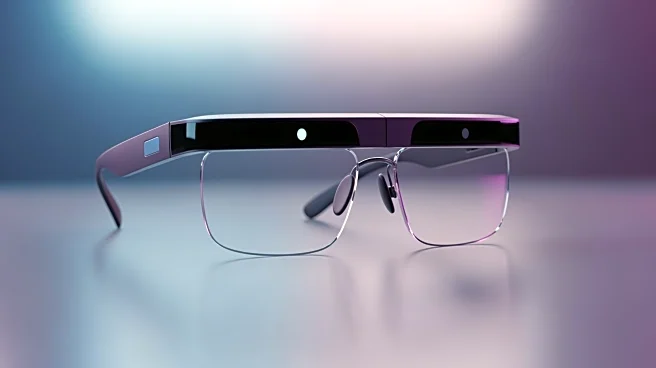
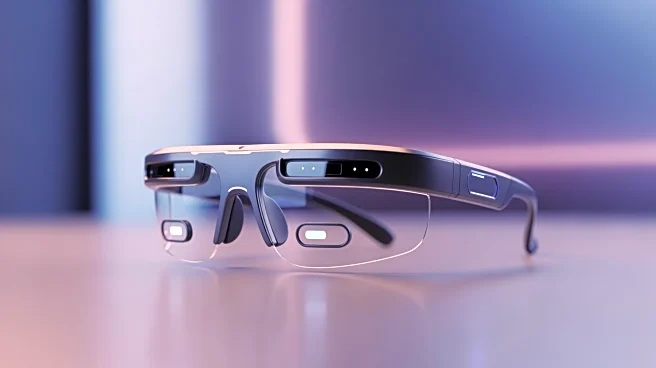
Meta is redirecting its investment strategy from metaverse projects to wearable hardware, such as augmented reality (AR) glasses, as reported by The New York Times and other outlets. This strategic pivot comes in response to slower-than-expected growth in the metaverse sector, prompting Meta to prioritize hardware-first experiences. The shift is a clear signal to developers to focus on creating lightweight, real-world AR applications. This move aligns with broader industry trends, as companies like Snap are also reorganizing their business models to attract external investment for smart-glasses development. Meta's decision reflects a significant change in how tech companies are approaching AR and VR technologies, emphasizing the importance of
tangible, consumer-ready products over speculative virtual environments.
Why It's Important?
The reallocation of resources from metaverse projects to wearable hardware by Meta signifies a major shift in the tech industry’s focus. This change could accelerate the development and adoption of AR technologies, potentially leading to more practical and widespread applications in everyday life. For developers and investors, this pivot highlights the growing importance of hardware innovation over virtual experiences, suggesting that companies are seeking more immediate returns on investment. The move could also influence other tech giants to reassess their strategies, potentially leading to increased competition and innovation in the AR space. As Meta and other companies like Snap pursue external investments and partnerships, the landscape of AR technology could see rapid advancements, impacting consumer technology markets and user experiences.
What's Next?
As Meta and other companies shift their focus to wearable hardware, the tech industry can expect a surge in the development of AR glasses and related technologies. This could lead to new partnerships and collaborations as companies seek to leverage external investments to accelerate product development. The market may see an influx of new AR devices, prompting consumers to adopt these technologies more widely. Additionally, the strategic shift may influence other tech companies to reevaluate their investment priorities, potentially leading to a broader industry trend towards hardware innovation. As these developments unfold, stakeholders will be closely monitoring the impact on market dynamics and consumer adoption rates.