





What's Happening?
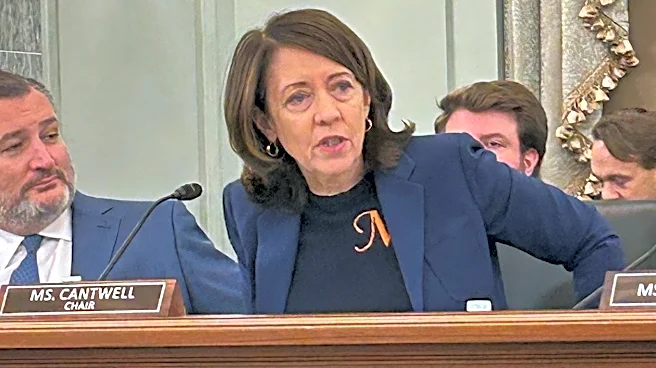
Senators Maria Cantwell and Ted Cruz have introduced a legislative proposal known as the 'Protect College Sports Act of 2026'. This bill aims to address various issues within college sports, including the protection of student-athletes' name, image, and likeness
(NIL) rights, and to promote fair competition among intercollegiate athletics. The bill outlines several key areas such as anti-trust exemptions, NIL protections, and capping agent fees. It also proposes changes to transfer regulations, allowing one free transfer before requiring athletes to sit out a year unless a coaching change occurs. Additionally, the bill seeks to extend eligibility for student-athletes and prevent professional players from returning to college sports. It includes provisions for NIL deal reporting, agent registration, and certification requirements. The bill also addresses mid-season coaching transitions, aiming to freeze movement until the end of the competitive season. Furthermore, it proposes a post-eligibility insurance fund and catastrophic injury program for student-athletes.
Why It's Important?
The introduction of the 'Protect College Sports Act of 2026' is significant as it addresses longstanding issues in college athletics, particularly around the rights and protections of student-athletes. By regulating NIL deals and agent fees, the bill aims to ensure fair compensation and prevent exploitation of athletes. The proposed changes to transfer rules and eligibility extensions could impact the dynamics of college sports, potentially leading to more stability and fairness in athlete movement. The bill's focus on mid-season coaching transitions seeks to bring order to the often chaotic hiring and firing cycles in college football, which can disrupt team performance and athlete development. Additionally, the establishment of a post-eligibility insurance fund underscores a commitment to athlete welfare, ensuring medical expenses are covered beyond their college careers. This legislation could set a precedent for future reforms in college sports governance.
What's Next?
As the bill is introduced to the 119th Congress, it will undergo scrutiny and debate among lawmakers. Key stakeholders, including college sports administrators, coaches, and athletes, are likely to weigh in on the proposed changes. The bill's progress will depend on bipartisan support and negotiations to address any concerns raised during the legislative process. If passed, the implementation of these reforms will require coordination between the NCAA, colleges, and athletic programs to ensure compliance with the new regulations. The impact of the bill will be closely monitored to assess its effectiveness in achieving its goals of protecting student-athletes and promoting fair competition.