






What's Happening?
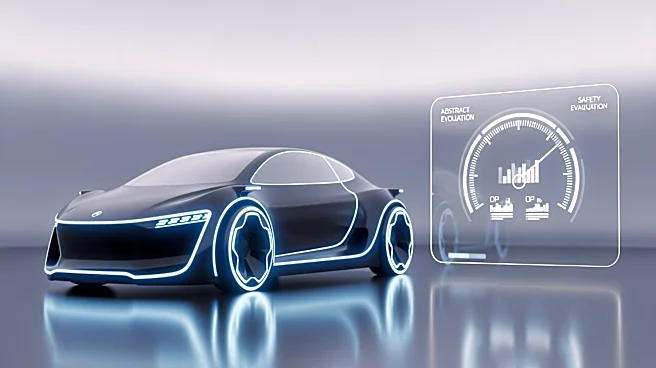
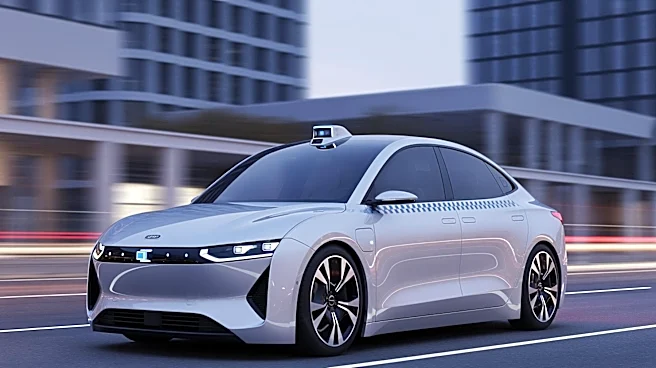
Waymo has unveiled a new computer model aimed at providing a more accurate comparison between its autonomous driving software and human drivers. Developed with TU Delft, this model is based on 'active inference,' a theory that simulates a driver's anticipation
of future scenarios to ensure safety. Published in Nature Communications, the model serves as a behavioral benchmark for autonomous systems, offering a realistic representation of how competent human drivers respond to traffic conflicts. This development comes as Waymo expands its services and faces increased scrutiny from regulators, particularly following incidents like the January crash involving a Waymo robotaxi in Santa Monica.
Why It's Important?
This new model is crucial for the autonomous vehicle industry as it provides a more precise tool for evaluating and improving the safety of robotaxis. By simulating human-like responses, Waymo can better understand and enhance its systems' performance in crash scenarios, potentially reducing accidents and increasing public confidence in autonomous vehicles. The model's ability to handle complex, real-world scenarios efficiently could lead to significant advancements in the field, benefiting both the company and the broader industry.
What's Next?
Waymo is making the research code for this model available under an academic, non-commercial license, inviting collaboration to further develop the technology. This move could foster innovation and lead to widespread improvements in autonomous driving systems. As Waymo continues to expand its operations, the company will need to navigate regulatory challenges and public scrutiny, making the successful implementation of this model a key factor in its future success.