


What's Happening?
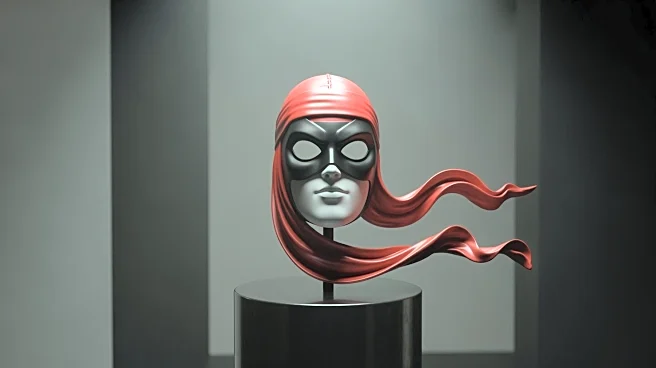
Disney's new animated children's show 'Hey A.J.!' has sparked controversy with its character Captain Durag, a superhero depicted wearing a durag. The character, created by Camille Corbett, has been criticized on social media for perpetuating stereotypes about Black people. Corbett, a comedian and writer for the show, has defended the character, stating that it was intended to provide a superhero that resonates with Black culture. The show, which premiered in January on Disney Jr., follows a young girl named A.J. and her adventures with her toy bunny, Theo. Captain Durag, a character within the show, is portrayed as a hero who fights grime in a fictional place called Slime City. Corbett and Martellus Bennett, whose books inspired the show, have
both addressed the backlash, emphasizing the importance of Black representation in media and criticizing the selective outrage against Black art.
Why It's Important?
The controversy surrounding Captain Durag highlights ongoing debates about representation and stereotypes in media. For Disney, a major player in children's entertainment, the backlash underscores the challenges of balancing cultural representation with sensitivity to stereotypes. The situation also reflects broader societal discussions about respectability politics and the policing of Black art. The creators argue that the character is a celebration of Black culture and a challenge to traditional norms, which can be empowering for audiences seeking diverse representation. However, the criticism points to the fine line between cultural representation and reinforcing negative stereotypes, a balance that media companies must navigate carefully. This incident may influence how entertainment companies approach character development and cultural consultation in future projects.
What's Next?
As the debate continues, Disney and the creators of 'Hey A.J.!' may need to engage more deeply with audiences to address concerns and clarify the intent behind Captain Durag. This could involve public discussions or additional content that explores the character's background and significance. The response from Disney and the creators could set a precedent for how similar controversies are handled in the future. Additionally, the backlash may prompt other media companies to reassess their processes for cultural consultation and representation in their content. Stakeholders, including cultural consultants and advocacy groups, may play a more prominent role in shaping media narratives to ensure they are both inclusive and respectful.
Beyond the Headlines
The Captain Durag controversy also touches on deeper issues of identity and cultural expression within the Black community. The character's creation was inspired by Blaxploitation films, which historically have been both celebrated for their empowerment of Black audiences and criticized for their portrayal of stereotypes. This duality reflects the complex nature of cultural representation, where the same elements can be seen as both empowering and problematic. The discussion around Captain Durag may encourage broader conversations about the role of media in shaping cultural perceptions and the importance of diverse voices in creative industries. It also highlights the need for ongoing dialogue about how cultural symbols are used and interpreted in media.