



What's Happening?
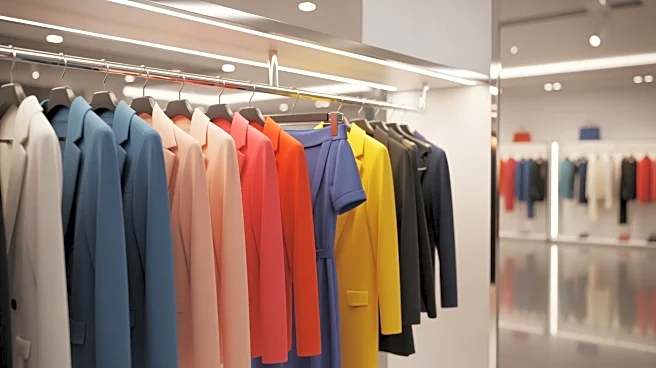
Apparel sales in the U.S. have shown resilience despite the challenges posed by tariffs and consumer anxiety. According to the U.S. Department of Commerce, apparel sales increased every month through October, except for February, with some months seeing growth of 6% or more. Major retailers like Gap Inc., Urban Outfitters Inc., Abercrombie & Fitch Co., and American Eagle Outfitters have reported earnings that exceeded analyst expectations. Brands such as Gap, Old Navy, and Anthropologie have gained popularity, while others like The North Face and Nike have seen declines. Despite early shopping trends, Black Friday sales were strong, with high-single-digit growth online and increased store traffic. Analysts suggest that consumers are still willing
to spend during key shopping periods, despite macroeconomic uncertainties.
Why It's Important?
The rebound in apparel sales is significant as it indicates consumer resilience in the face of economic challenges. This trend suggests that while consumers are cautious, they are still prioritizing spending on apparel during important shopping events. The performance of apparel retailers could influence broader retail strategies and economic forecasts. The ability of brands to maintain or increase sales despite higher prices reflects consumer confidence and the effectiveness of marketing strategies. This resilience could have positive implications for the retail sector and the economy, as consumer spending is a key economic driver.
What's Next?
Retailers may continue to focus on strategic marketing and partnerships to sustain sales momentum. The holiday season will be a critical period for assessing consumer spending patterns and the impact of economic conditions on retail performance. Analysts will likely monitor consumer behavior closely to predict future trends. Retailers may also need to navigate potential challenges such as supply chain disruptions and further economic uncertainties. The outcome of the holiday shopping season could provide insights into consumer confidence and economic stability moving into 2026.