


What's Happening?
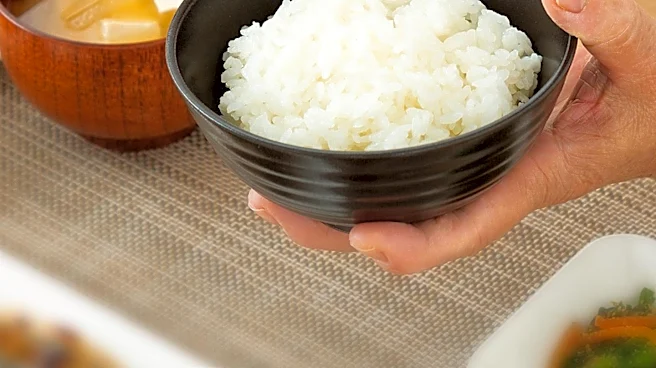
The traditional Japanese practice known as 'hara hachi bu' encourages individuals to stop eating when they feel about 80% full, rather than continuing until completely satisfied. This concept, rooted in Confucian teachings, emphasizes moderation and has gained
attention as a potential tool for weight management. Scientific research on hara hachi bu is limited, but studies of populations practicing this habit suggest benefits such as lower calorie consumption, reduced weight gain, and lower average body mass index (BMI). The approach aligns with mindful and intuitive eating, focusing on recognizing hunger and fullness signals, which can reduce emotional eating and improve diet quality. Hara hachi bu is not a strict diet but promotes awareness and appreciation for food, potentially leading to sustainable health habits.
Why It's Important?
Hara hachi bu offers a sustainable approach to health by promoting moderation and awareness in eating habits. Unlike strict diets, which can lead to cycles of weight loss and regain, this practice encourages gradual changes that are easier to maintain. It addresses modern challenges such as distracted eating, which is linked to higher calorie intake and disordered eating behaviors. By fostering a positive relationship with food, hara hachi bu may support digestion and lead to more nourishing food choices. This philosophy is particularly relevant in a society where digital distractions during meals are common, affecting both adults and children.