

What's Happening?
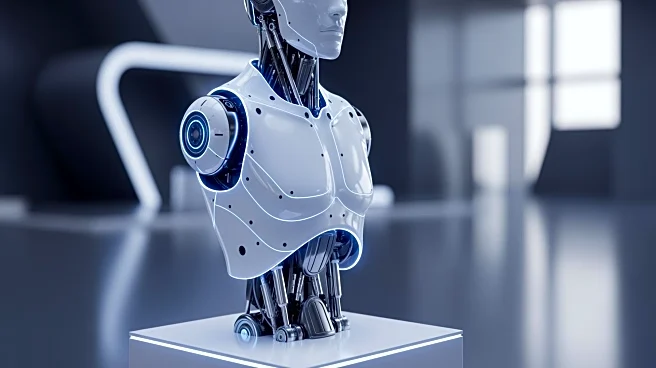
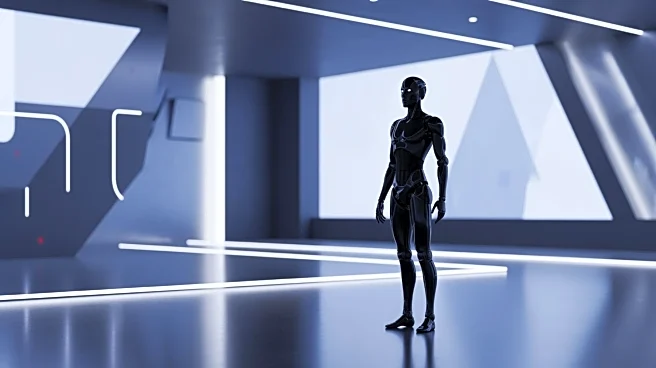
The Humanoids Summit in Mountain View, California, gathered over 2,000 participants, including top robotics engineers from companies like Disney and Google, to showcase advancements in humanoid robots. The event, organized by venture capitalist Modar Alaoui, aimed to discuss the future of humanoid robots as a norm in society. Despite the enthusiasm, skepticism remains about the feasibility of creating robots that can perform human-like tasks efficiently. Disney's Olaf robot, set to roam Disneyland parks, exemplifies current advancements, but general-purpose humanoids are still a distant goal. The summit highlighted the challenges in the field, such as the need for further research and development, particularly in the U.S., where China currently
leads in humanoid technology due to government incentives.
Why It's Important?
The development of humanoid robots has significant implications for various industries, including manufacturing, entertainment, and service sectors. As AI technology advances, the integration of humanoid robots could revolutionize labor markets by automating tasks traditionally performed by humans. This could lead to increased efficiency and productivity but also raises concerns about job displacement and the ethical use of AI. The U.S. faces competition from China, which is rapidly advancing in this field, potentially impacting the global balance of technological leadership. The summit underscores the need for strategic investment and policy support to foster innovation in the U.S. robotics industry.
What's Next?
The future of humanoid robots will depend on continued investment in research and development, as well as collaboration between tech companies and policymakers to address regulatory and ethical challenges. The U.S. may need to develop a national strategy to support the growth of its robotics industry to compete with China's momentum. Companies like Tesla, which are working on projects like the Optimus humanoid, will play a crucial role in shaping the market. The industry will also need to address public skepticism and demonstrate the practical benefits of humanoid robots to gain broader acceptance.