
What's Happening?
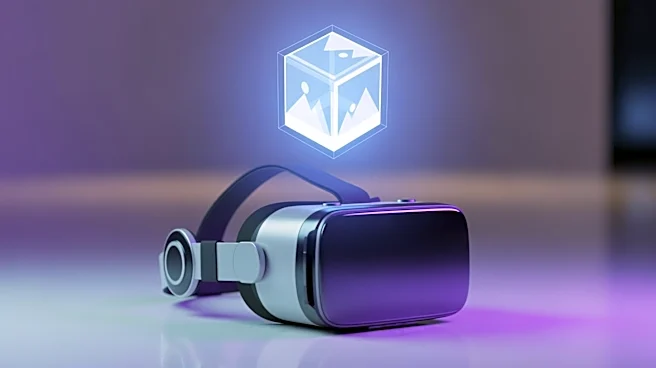
Meta has released a new update for its Quest 3 headset, allowing users to convert 2D web photos into 3D images. This feature is part of the latest Horizon OS Public Test Channel (PTC) update. Users can
now transform almost any image from the web into a stereoscopic 3D photo using the Quest browser. This update also includes improvements to the Quest's quick settings, making power options and seated VR more accessible. The 3D conversion feature is seen as Meta's attempt to catch up with other XR manufacturers like Samsung and Viture, who already offer similar capabilities. Additionally, the Meta Horizon mobile app now allows users to upload photos from their phones and convert them into 3D images for viewing on the Quest headset.
Why It's Important?
This update signifies Meta's ongoing efforts to enhance the VR experience by integrating more immersive features. By enabling 3D conversion of web photos, Meta is expanding the utility of its VR headsets beyond gaming, positioning them as tools for everyday spatial computing. This move could attract a broader audience to VR, including those interested in photography and media consumption. The update also reflects the competitive landscape in the XR industry, where companies are racing to offer more advanced features. For Meta, this could mean increased user engagement and a stronger foothold in the VR market.
What's Next?
As Meta continues to develop its VR technology, future updates may focus on improving video conversion capabilities, an area where it currently lags behind competitors. The company might also explore partnerships with content creators to expand its 3D media offerings. Users can expect more frequent updates that enhance the Quest's functionality, potentially leading to new applications in education, entertainment, and professional settings. Stakeholders in the VR industry will likely monitor these developments closely, as they could influence market dynamics and consumer preferences.