





What's Happening?
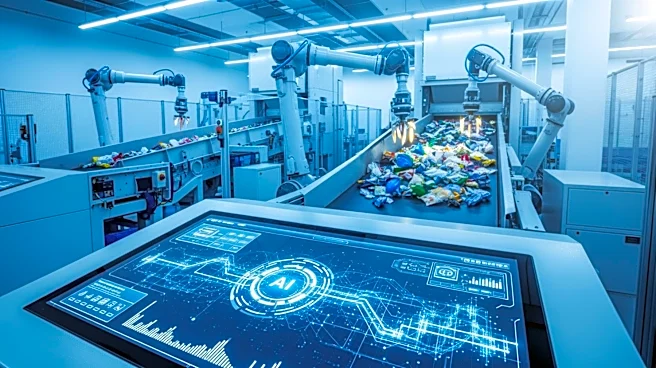
Figure AI, a California-based robotics startup, has successfully tested its Helix-02 humanoid robots in a package sorting task that lasted over 24 hours. Initially planned for an eight-hour run, the robots continued to operate autonomously without human intervention,
sorting more than 28,000 packages. The robots, named Bob, Frank, and Gary by online viewers, utilized onboard cameras and AI reasoning to detect barcodes and sort packages efficiently. The test demonstrated the robots' ability to perform repetitive tasks with endurance and reliability, showcasing their potential for industrial applications.
Why It's Important?
The successful test of Figure AI's humanoid robots highlights the growing role of automation in industrial settings, particularly in tasks that require repetitive actions. This development could significantly impact warehouse operations by improving efficiency and reducing the need for human labor in monotonous tasks. As companies seek to optimize operations, the use of robots could lead to changes in workforce dynamics, potentially reducing overnight staffing needs and altering job roles. However, it also raises concerns about job displacement and the future of human labor in industries increasingly adopting automation.
What's Next?
Figure AI's test suggests that humanoid robots are moving towards broader workplace trials beyond controlled demonstrations. The next steps involve proving the robots' reliability in real-world conditions, addressing maintenance needs, and ensuring they can handle chaotic environments typical of warehouses. Companies will likely seek independent evidence of the robots' performance before widespread adoption. As automation technology advances, stakeholders, including businesses and labor groups, will need to address the implications for employment and workforce training.
Beyond the Headlines
The integration of humanoid robots into industrial settings could lead to ethical and cultural shifts regarding automation and labor. As robots take on more roles traditionally held by humans, discussions around job security, retraining, and the societal impact of automation will become increasingly relevant. The test also underscores the importance of developing robots that can autonomously recover from errors, a feature that could enhance their utility in dynamic environments.