





What's Happening?
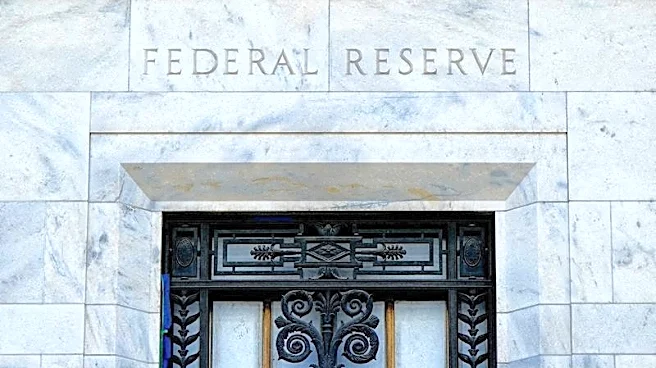
Loretta Mester, a senior scholar at Princeton University's Griswold Center for Economic Policy and former president of the Cleveland Federal Reserve, has expressed concerns about the Federal Reserve's current approach to the economy. In a recent appearance
on 'Squawk Box', Mester discussed the state of the economy, highlighting inflation concerns and the potential impact on the Fed's interest rate outlook. She suggested that the Federal Reserve is becoming increasingly disconnected from the economic realities faced by businesses and consumers. Mester's comments come amid ongoing debates about the Fed's monetary policy and its effectiveness in addressing economic challenges.
Why It's Important?
Mester's critique is significant as it underscores a growing concern among economists and policymakers about the Federal Reserve's strategies in managing the economy. Her insights suggest that the Fed's policies may not be adequately addressing inflation and other economic pressures, which could have far-reaching implications for economic stability and growth. If the Fed is indeed disconnected from the economic realities, it could lead to policy decisions that fail to support businesses and consumers effectively, potentially exacerbating economic challenges. This critique may influence future discussions and decisions regarding monetary policy.
What's Next?
The Federal Reserve may need to reassess its current strategies and consider adjustments to better align with the economic conditions. This could involve re-evaluating interest rate policies and other monetary tools to ensure they are effectively supporting economic growth and stability. Stakeholders, including policymakers and business leaders, will likely continue to monitor the Fed's actions closely, advocating for changes that address the concerns raised by Mester and others. The ongoing dialogue may lead to policy shifts aimed at improving the Fed's responsiveness to economic challenges.