

What's Happening?
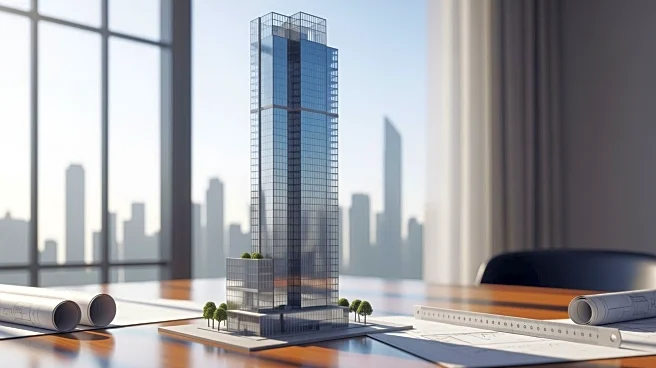
Aviva Plc is actively seeking a partner to help fund a new skyscraper project in the City of London's insurance district. The project, located at 130 Fenchurch Street, has already secured planning approval and is set to include over 600,000 square feet of office space, along with a public garden terrace and retail spaces. The move comes as rental inflation in corporate spaces is accelerating, with companies like Proskauer Rose LLP setting record rents in the area. Aviva's strategy is to attract investors willing to bet on the potential for soaring office rents, despite the current high construction costs and uncertainties about future space needs due to flexible working arrangements and the rise of artificial intelligence.
Why It's Important?
This development is significant
as it highlights the ongoing challenges and opportunities in the commercial real estate market, particularly in major financial hubs like London. The rising office rents and high construction costs are causing companies to reconsider long-term commitments, impacting the dynamics of corporate space rental. Aviva's project could set a precedent for future developments, influencing investor confidence and the strategic decisions of other major players in the industry. The outcome of this project could also affect the availability of office space, potentially leading to a shortage if new developments do not keep pace with demand.
What's Next?
The next steps for Aviva involve securing a partner to share the financial burden of the skyscraper project. Once a partner is found, construction could begin, with the potential to complete the project by 2030. The success of this venture may prompt other developers to initiate similar projects, depending on the market's response to rising rents and the demand for office space. Additionally, companies like BlackRock are already exploring new headquarters options, indicating a potential shift in the corporate real estate landscape.
Beyond the Headlines
The broader implications of this development include potential shifts in urban planning and the architectural landscape of major cities. As companies adapt to new working models and technological advancements, the demand for flexible and innovative office spaces may increase. This could lead to a reevaluation of how office spaces are designed and utilized, impacting everything from environmental sustainability to employee well-being. Furthermore, the financial strategies employed by companies like Aviva could influence investment trends and the future of commercial real estate financing.