


What's Happening?
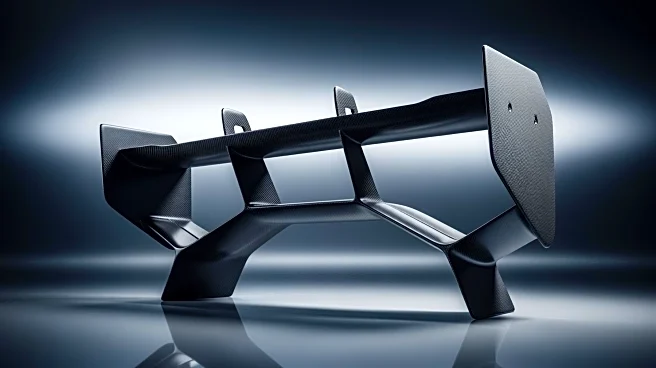
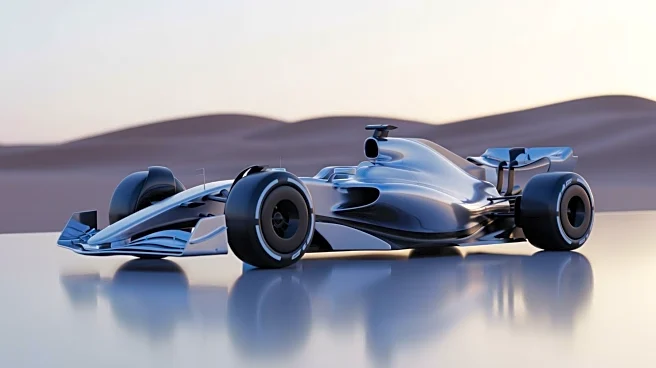
Ferrari has introduced a groundbreaking upside-down rear wing design during the final pre-season Formula 1 test in Bahrain. Technical analyst Sam Collins provided insights into this innovative feature, which was showcased on the second day of testing. The upside-down rear wing is part of Ferrari's strategy to enhance aerodynamic performance and gain a competitive edge in the upcoming season. This development comes as teams finalize their setups and strategies before the start of the 2026 F1 season. The test in Bahrain is crucial for teams to assess their cars' performance and make necessary adjustments.
Why It's Important?
The introduction of the upside-down rear wing by Ferrari signifies a bold move in the realm of F1 aerodynamics, potentially setting a new trend
in car design. This innovation could offer Ferrari a significant advantage in terms of speed and handling, impacting the competitive dynamics of the 2026 season. If successful, other teams may be prompted to explore similar aerodynamic innovations, leading to a shift in design strategies across the sport. The effectiveness of this design will be closely monitored by competitors and could influence future regulations and technological advancements in Formula 1.
What's Next?
As the final test in Bahrain concludes, teams will analyze data and make final adjustments before the season opener. Ferrari's new rear wing will be scrutinized for its performance benefits and potential drawbacks. Competitors may respond by accelerating their own development efforts to counter Ferrari's innovation. The FIA may also evaluate the implications of such designs on safety and fairness, potentially leading to discussions on regulatory adjustments. The upcoming races will reveal whether Ferrari's gamble pays off and how it influences the competitive landscape.