




What's Happening?
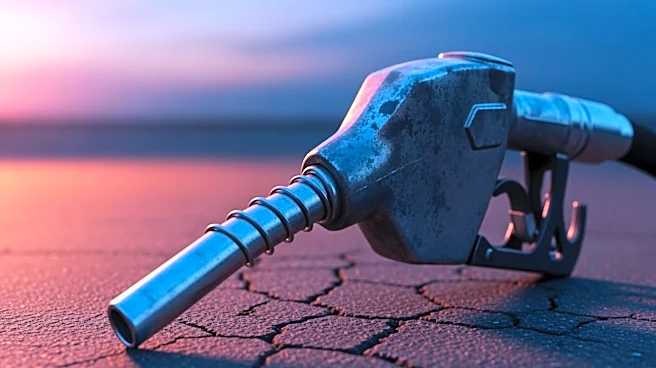
The ongoing conflict in Iran is influencing car buyers in the U.S. and Europe to shift their preferences towards electric vehicles (EVs). According to a report by HSBC, the war has led to increased fuel prices, with gasoline prices rising significantly
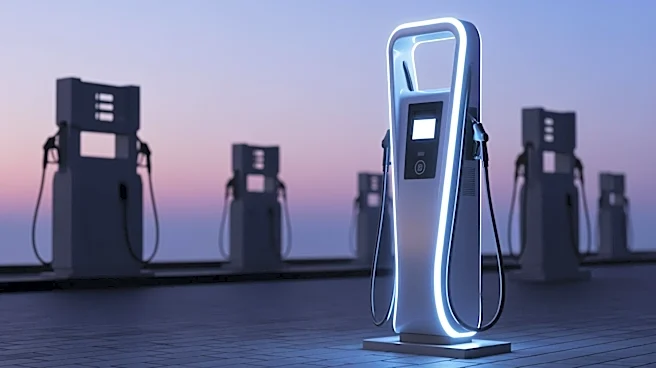
in both regions. This has spurred interest in EVs as consumers seek more affordable and sustainable transportation options. Automakers like Toyota are expanding their electrified vehicle lineups, with sales of hybrids and battery-electric vehicles rising. Despite the growing interest, the transition to EVs is challenged by factors such as higher sticker prices and limited charging infrastructure.
Why It's Important?
The shift towards EVs amid geopolitical tensions highlights the vulnerability of traditional fuel supply chains and the growing importance of sustainable energy solutions. As fuel prices continue to rise, the economic and environmental benefits of EVs become more attractive to consumers. This trend could accelerate the transition to electric mobility, prompting automakers to invest more in EV production and infrastructure. The increased demand for EVs also underscores the need for governments and industries to enhance charging networks and address cost barriers to make EVs more accessible to a broader audience.
What's Next?
Automakers are likely to ramp up production of EVs to meet the rising demand, while policymakers may introduce incentives to support the transition. The development of charging infrastructure will be crucial to accommodate the growing number of EVs on the road. Additionally, the automotive industry may see increased collaboration with energy providers to ensure a stable and sustainable power supply for EVs. As the market evolves, consumer education and awareness campaigns will be essential to address misconceptions and promote the benefits of electric mobility.