



What's Happening?
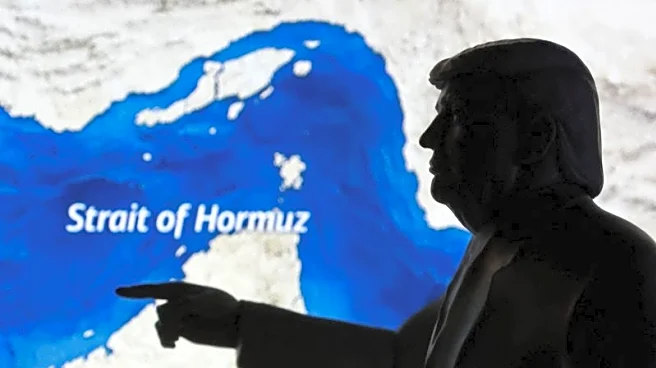
Chevron CEO Mike Wirth expressed uncertainty about the timeline for recovering Middle East oil production disrupted by the US-Israel conflict with Iran. Speaking at the CERAWeek conference, Wirth highlighted the market's tightness due to the closure of
the Strait of Hormuz, affecting distillate products like diesel and jet fuel. The conflict has not been fully priced into forward oil prices, and Asia faces significant supply concerns. Wirth noted that sustained higher crude prices could boost US oil production, which was expected to plateau by the decade's end.
Why It's Important?
The disruption of Middle East oil production has significant implications for global energy markets, particularly in Asia, which relies heavily on these supplies. The prolonged recovery could lead to sustained high oil prices, impacting global economic growth and energy security. For the US, this situation presents both challenges and opportunities, as higher prices could incentivize increased domestic production. The energy sector's response to these disruptions will be critical in shaping future market dynamics and geopolitical relations.
What's Next?
The energy market will closely monitor developments in the Middle East and potential resolutions to the conflict. Chevron and other industry players may adjust their strategies to address supply chain disruptions and capitalize on market opportunities. Policymakers will likely consider measures to enhance energy security and support affected regions. The situation underscores the need for diversified energy sources and resilient supply chains to mitigate future risks.