

What's Happening?
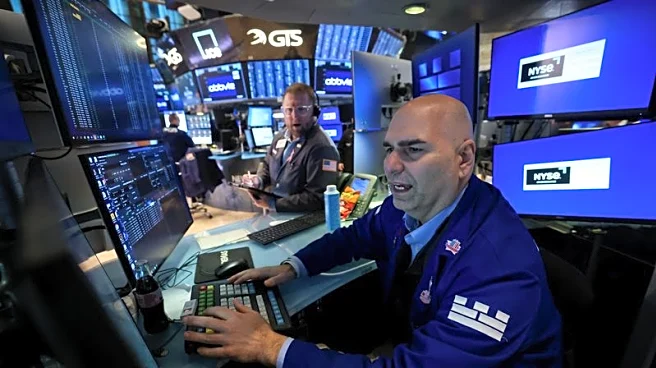
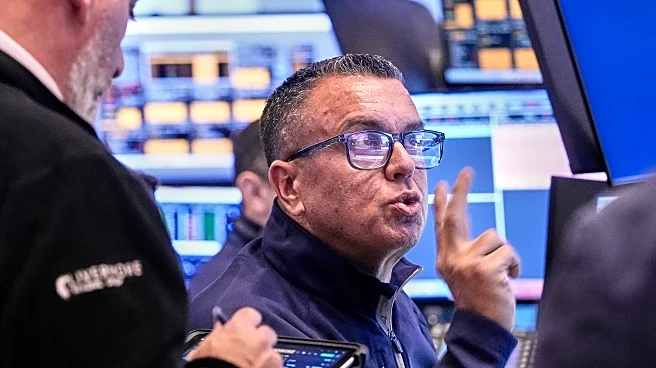
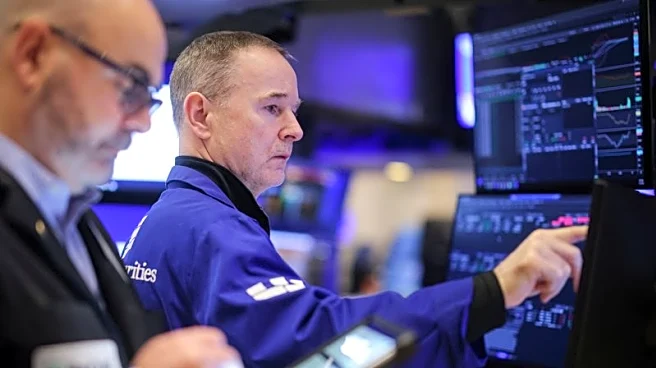
Amazon has announced a significant increase in its capital expenditure, projecting $200 billion, which surpasses analysts' expectations of $146.6 billion and is a substantial rise from the $131 billion spent in 2025. This move places Amazon ahead of Alphabet, which has a projected capex range of $175 billion to $185 billion. The announcement has led to a decline in Amazon's stock by over 11% in extended trading, as investors express concern over the high spending in pursuit of advancements in artificial intelligence. The tech sector experienced a sell-off, with the Nasdaq Composite falling by 1.59% and the S&P 500 dropping by 1.23%, influenced by fears that AI investments are diminishing the value of software firms. Despite these concerns, some
analysts, like Dan Ives of Wedbush Securities, argue that the market's reaction is overly pessimistic.
Why It's Important?
The significant increase in Amazon's capital expenditure highlights the intense competition among tech giants to lead in artificial intelligence development. This spending surge reflects the broader trend of substantial investments in AI, which could reshape various industries by enhancing automation and data processing capabilities. However, the market's negative reaction underscores investor apprehension about the sustainability of such high expenditures and the potential overvaluation of AI-related ventures. The tech sector's volatility, as seen in the recent stock sell-off, indicates a cautious approach by investors who are wary of the risks associated with rapid technological advancements. This situation could influence future investment strategies and valuations within the tech industry.
What's Next?
As Amazon and other tech companies continue to invest heavily in AI, stakeholders will closely monitor the returns on these investments. The market's response may prompt companies to reassess their spending strategies to ensure sustainable growth and investor confidence. Additionally, the broader tech sector may experience further fluctuations as companies navigate the balance between innovation and financial stability. Investors and analysts will likely scrutinize upcoming earnings reports and strategic announcements to gauge the long-term impact of these capital expenditures on company performance and market dynamics.