




What's Happening?
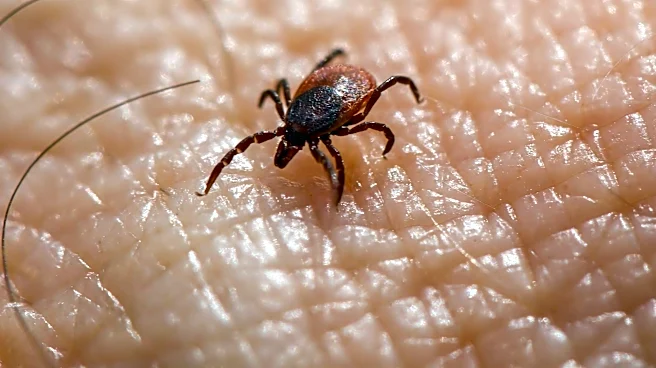
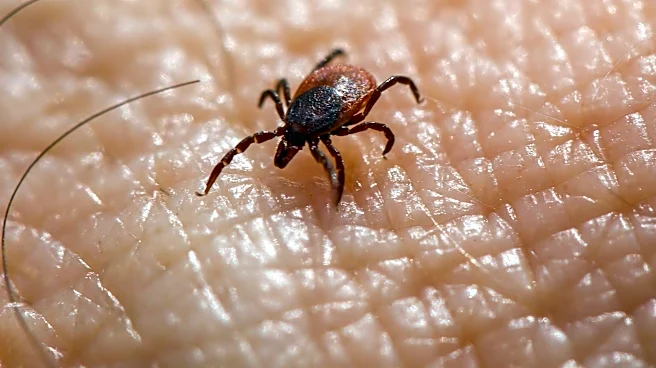
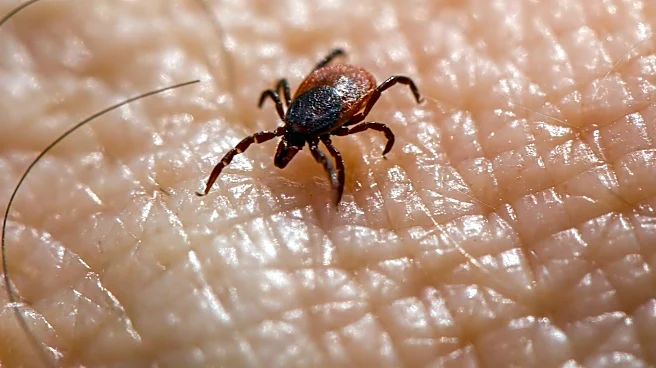
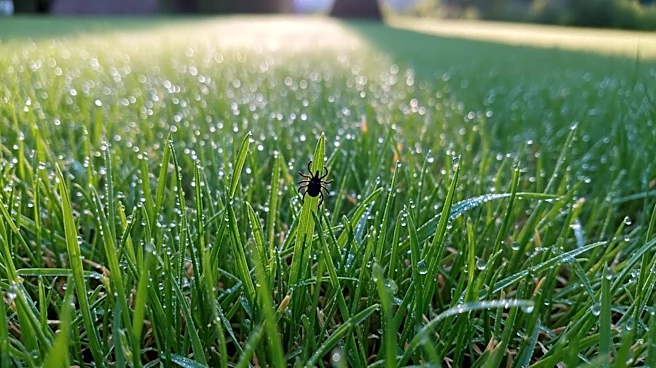
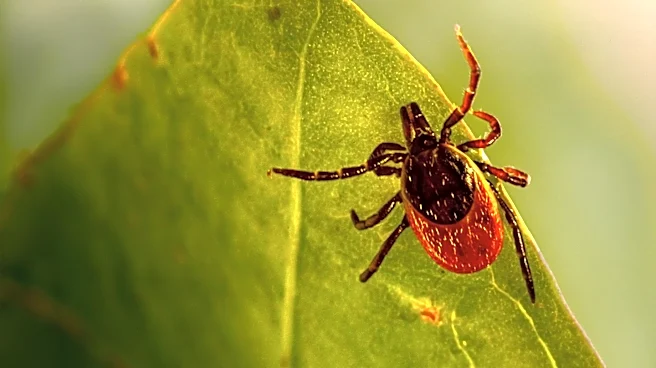
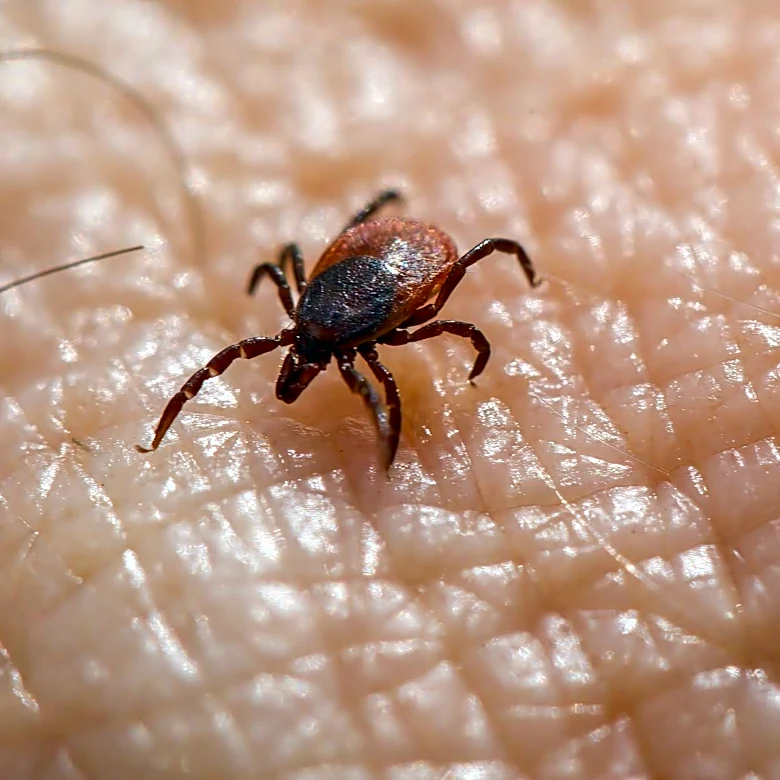
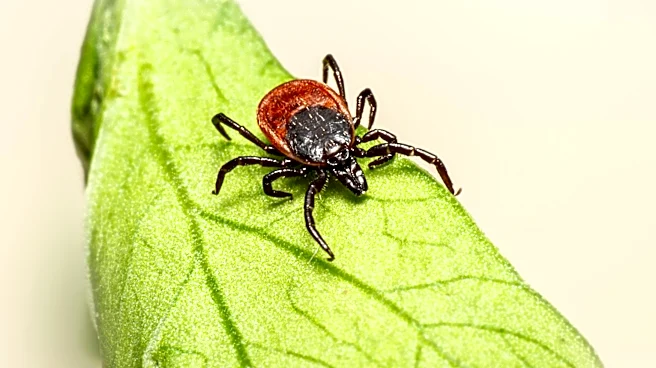
Consumer Reports has provided expert advice on how to make backyards less hospitable to ticks, which are increasingly spreading illnesses. Ticks thrive in cool, shady areas, often found in tall grass and damp spots. To reduce tick presence, homeowners
are advised to keep grass trimmed to about 3 inches, clear away yard debris, and create barriers between lawns and wooded areas. Additionally, discouraging animals like deer and mice, which carry ticks, can help minimize the risk of tick-borne diseases.
Why It's Important?
With the rise in tick-borne illnesses, such as Lyme disease, taking preventive measures in residential areas is crucial for public health. By implementing simple landscaping changes, homeowners can significantly reduce the risk of ticks in their yards, thereby protecting themselves and their families. This guidance is particularly relevant as ticks are not only a concern in rural or wooded areas but also in suburban and urban settings. Public awareness and proactive measures can help mitigate the spread of these diseases.
What's Next?
Homeowners are encouraged to adopt the recommended practices to maintain tick-free yards, especially during peak tick season. Public health campaigns may continue to emphasize the importance of tick prevention and educate communities on effective strategies. As tick populations and the diseases they carry continue to spread, ongoing research and monitoring will be essential to develop new prevention and control methods.
Beyond the Headlines
The increasing prevalence of ticks and tick-borne illnesses reflects broader environmental changes, including climate change and habitat alterations, which affect tick distribution and behavior. This situation highlights the interconnectedness of human health and environmental factors, underscoring the need for integrated approaches to disease prevention that consider ecological dynamics. The role of wildlife in tick ecology also points to the importance of biodiversity and ecosystem management in controlling vector-borne diseases.