


What's Happening?
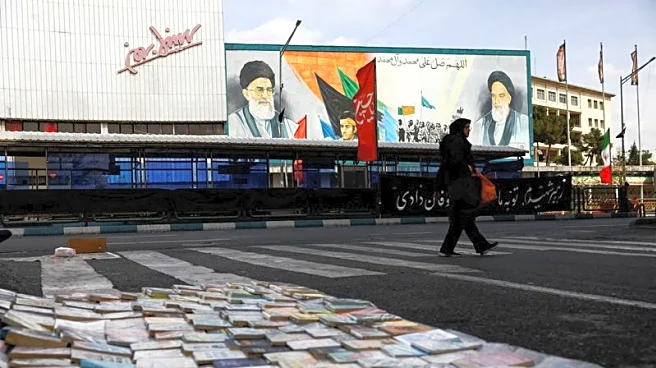
Federal Reserve Governor Lisa Cook has expressed concerns that the ongoing conflict involving the United States, Israel, and Iran is exacerbating inflation risks. Speaking at the Yale School of Management, Cook noted that the war, which began on February
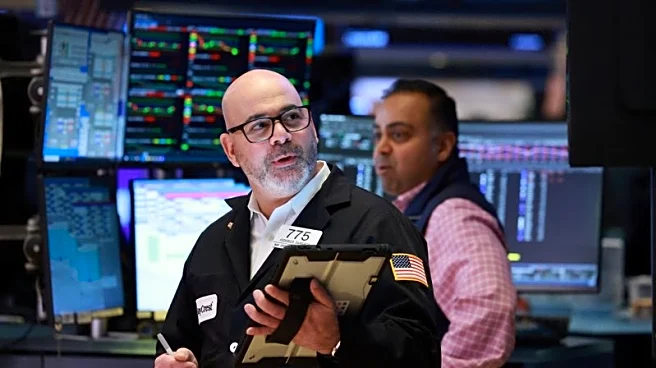
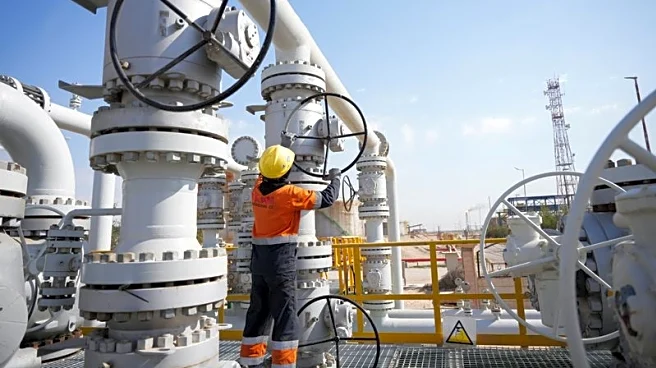
28, has shifted the balance of risks for the Federal Reserve's dual mandate of price stability and full employment more towards inflation. The conflict has led to a significant increase in global oil prices, with benchmarks rising from $75 to over $100 per barrel, following Iran's move to restrict oil flow through the Strait of Hormuz. This development has compounded the inflationary pressures already heightened by tariffs imposed by President Trump, which had previously disrupted efforts to stabilize inflation at the Fed's 2% target. Despite these challenges, the Federal Reserve recently maintained its benchmark short-term policy rate within the 3.50%-3.75% range, although market conditions now suggest a diminished likelihood of a rate cut this year.
Why It's Important?
The escalation of inflation risks due to the Iran conflict has significant implications for the U.S. economy and monetary policy. Rising oil prices contribute to higher costs for consumers and businesses, potentially slowing economic growth and complicating the Federal Reserve's efforts to manage inflation and employment. The situation underscores the interconnectedness of global geopolitical events and domestic economic stability. As inflationary pressures mount, the Federal Reserve may face increased scrutiny over its policy decisions, particularly if inflation continues to outpace the central bank's targets. This could lead to shifts in interest rate strategies, impacting borrowing costs, investment decisions, and overall economic confidence.
What's Next?
The Federal Reserve will likely continue to monitor the situation closely, assessing the ongoing impact of the Iran conflict on inflation and economic stability. Policymakers may need to adjust their strategies if inflationary pressures persist or escalate. The bond markets' reaction, with rising market-based interest rates, indicates a cautious outlook among investors regarding future rate cuts. The Fed's future decisions will be influenced by developments in the Middle East, oil price trends, and domestic economic indicators. Stakeholders, including businesses and consumers, will be watching for any policy shifts that could affect economic conditions and financial markets.