


What's Happening?
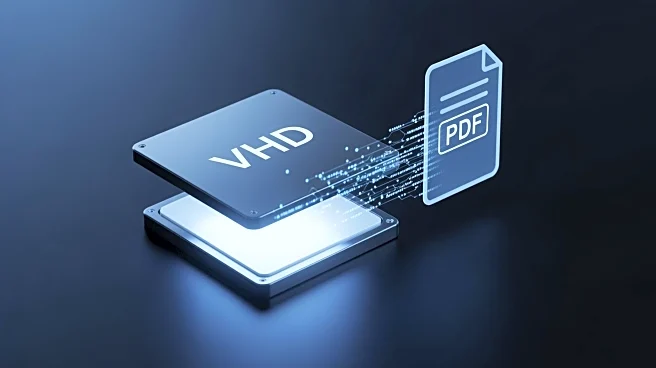
A new phishing campaign is using virtual hard disks disguised as PDF files to deliver malware, specifically the AsyncRAT remote-access Trojan. The campaign involves emails containing links to files hosted on the InterPlanetary File System (IPFS), a decentralized storage network. When opened, these files mount as local disks, bypassing some Windows security features. Inside the disk is a Windows Script File that executes malicious code, compromising the user's computer. Organizations are advised to set Windows to show file extensions to help identify suspicious files.
Why It's Important?
This phishing campaign highlights the evolving tactics of cybercriminals who exploit common file formats like PDFs to deliver malware. By using virtual hard disks, attackers can
bypass traditional security measures, posing a significant threat to organizations and individuals. The campaign underscores the need for enhanced cybersecurity awareness and measures, such as verifying file extensions and being cautious with email links. Protecting against such sophisticated attacks is crucial to safeguarding sensitive data and maintaining the integrity of digital systems.