



What's Happening?
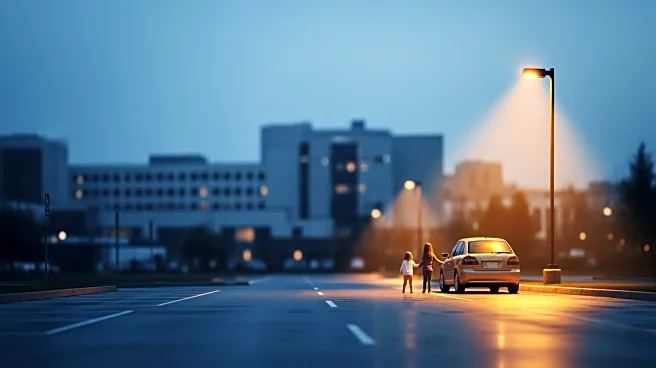
Willy Vlautin's latest novel, 'The Left and the Lucky,' published by Harper, presents a narrative centered around community support and resilience in Portland, Oregon. The story follows Connie, a night-shift stripper raising her two sons, Curtis and Russell, in a challenging environment. Curtis, the elder son, bullies his younger brother, who finds solace in solitary walks. Their neighbor, Eddie, a compassionate housepainter, steps in to provide Russell with meals and ensure his school attendance. The plot thickens when Curtis steals and crashes Eddie's car, leading to his detention, which brings relief to Russell. Eddie's kindness extends to his painting crew, including Houston, an alcoholic, Cordarrel, a talkative worker, and Donny, a young guitarist.
Vlautin's portrayal of these characters highlights their struggles and humanity, offering a hopeful perspective on community and personal growth.
Why It's Important?
The novel's significance lies in its exploration of community dynamics and individual resilience amidst adversity. By focusing on the interconnected lives of its characters, 'The Left and the Lucky' sheds light on the importance of neighborly support and the impact of small acts of kindness. This narrative resonates with broader societal themes, emphasizing the potential for positive change through collective effort. The book's setting in Portland, a city known for its diverse and vibrant communities, adds a layer of authenticity to the story. Vlautin's work encourages readers to reflect on their roles within their communities and the power of empathy and understanding in fostering social cohesion.