


What's Happening?
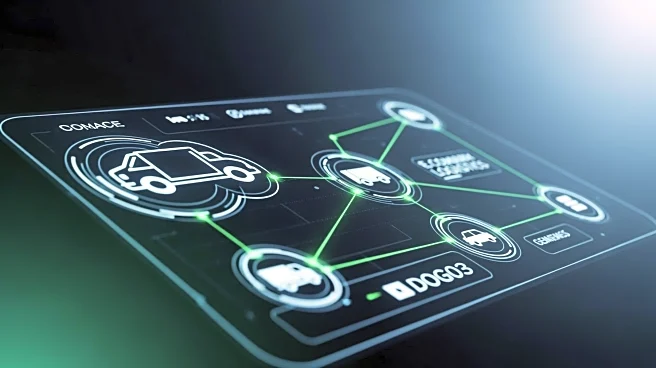
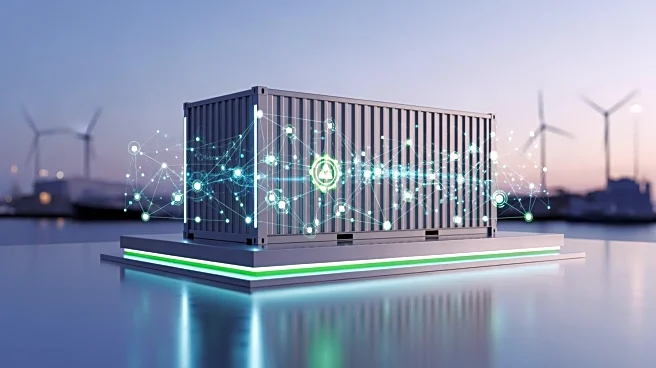
The chemical logistics sector is undergoing a transformation to support decarbonization efforts in transportation. As the industry shifts from fossil fuels to low-carbon energy carriers, there is a need for systemic coordination across complex supply chains. The Virtual Watch Tower (VWT) model is emerging as a public good service to facilitate digital collaboration without centralizing control or compromising commercial sensitivity. This model aims to improve coordination among shippers, cargo owners, terminals, and transport operators, ensuring efficient movement of low-carbon fuels and materials.
Why It's Important?
The transition to low-carbon energy carriers is crucial for reducing greenhouse gas emissions in the transportation sector. Effective coordination
in chemical logistics can significantly enhance the efficiency and reliability of supply chains, reducing costs and risks associated with delays. The VWT model offers a decentralized approach to data sharing, which is essential for maintaining commercial confidentiality while improving supply chain coordination. This development is vital for achieving long-term decarbonization goals and supporting the global energy transition.
Beyond the Headlines
The shift towards digital collaboration in chemical logistics highlights the importance of governance and trust in data sharing. The VWT model demonstrates that it is possible to coordinate complex supply chains without compromising commercial interests. This approach could serve as a blueprint for other industries facing similar challenges in the transition to sustainable practices. The success of this model could lead to broader adoption of digital collaboration tools, enhancing the resilience and sustainability of global supply chains.